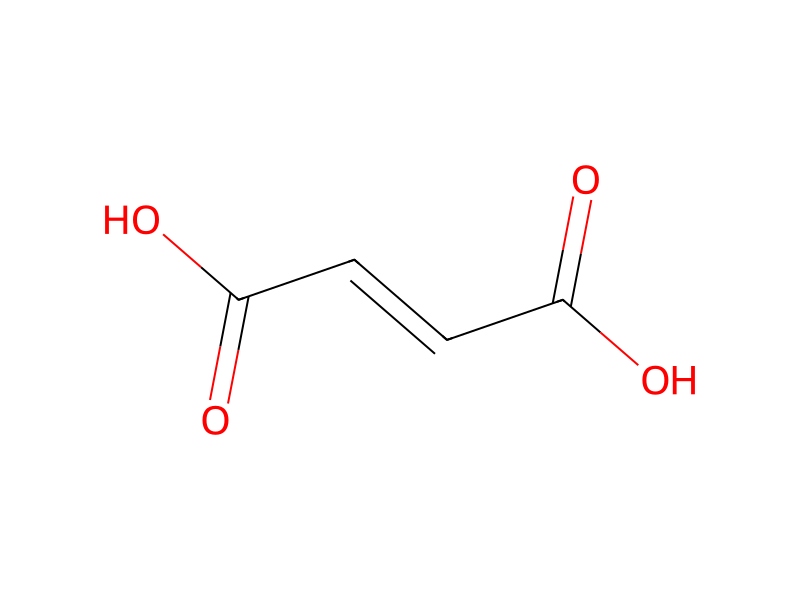
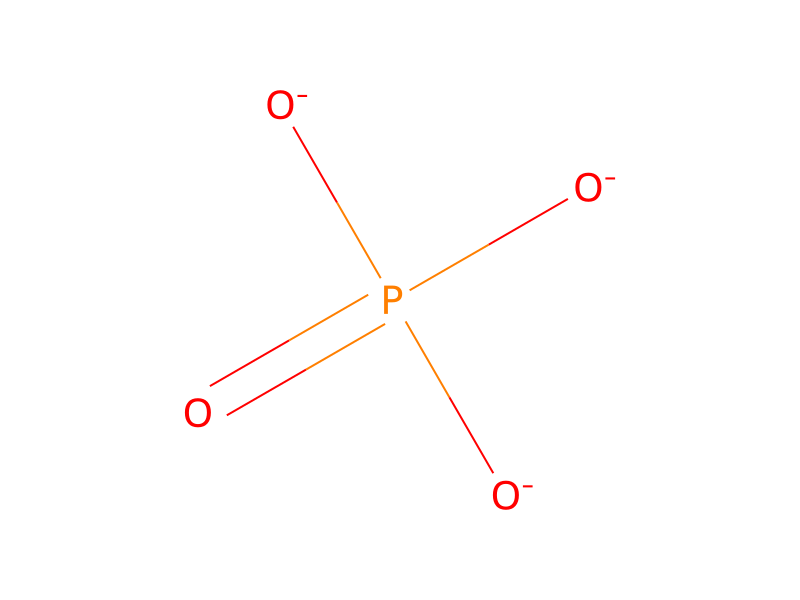
Washed cells of Brevibacterium ammoniagenes (IAM 1645) deposited at and obtained from the Institute of Applied Microbiology, University of Tokyo, was prepared by aerobically culturing the strain in a medium (pH 7.2) comprising glucose 2%, sodium fumarate 0.5%, urea 0.2%, monopotassium dihydrogen phosphate 0.2%, magnesium sulfate·7 hydrate 0.05% and corn steep liquor 1%. The cells were dispersed in 0.05 M phosphate buffer (pH 7.7) at a dark place to prepare a suspension of cells having a concentration of 30.0 OD630 μm. The bacterial liquor was divided into two portions. One portion thereof was allowed to stand at 30° C. for 1 hour at a distance of 20 cm apart from a 150 W "Cool Beam" light (supplied from Tokyo Shibaura Denki K. K., Japan) at light energy of 7×10² μE/g cells·second (light-standing). The other portion thereof was allowed to stand at 30° C. for 1 hour at a dark place (dark-standing). By using these bacterial liquor in the following formulations, malic acid was produced from fumaric acid. The reaction velocity was studied in comparison with the amounts of malic acid thus produced.