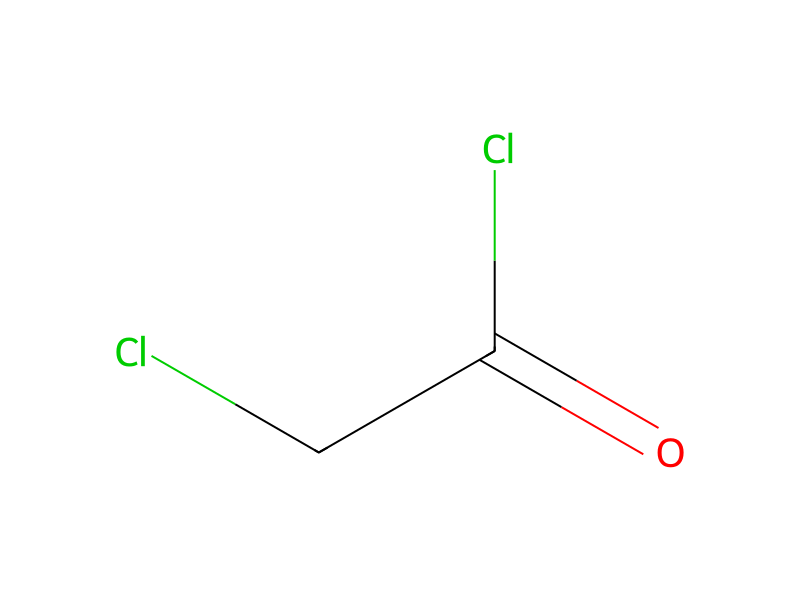
Chloroacetyl chloride → 6-methoxy-3,4-dihydro-2H-1,4-benzoxazine
HRID 1167610
Reaktionsgleichung

[NH2:1][C:2]1(O)C=CC(OC)=C[CH2:3]1.[C:11](=O)([O-])O.[Na+].Cl[CH2:17][C:18](Cl)=[O:19].[CH2:21]([C:25]([CH3:27])=[O:26])[CH:22](C)C>>[CH3:11][O:19][C:18]1[CH:22]=[CH:21][C:25]2[O:26][CH2:3][CH2:2][NH:1][C:27]=2[CH:17]=1Komponenten
5




Versuchsvorschrift
The compound obtained in Step A (5.94 g; 42.7 mmol) is dissolved in 50 ml of methyl isobutyl ketone, and a solution of sodium hydrogen carbonate (3 eq.; 128.1 mmol; 10.76 g dissolved in 60 ml of water) is subsequently added. Chloroacetyl chloride (1.1 eq.; 46.9 mmol; 3.74 ml) is then slowly added. The mixture is maintained at reflux for one hour, then the methyl isobutyl ketone is removed under reduced pressure. The residue is taken up in ethyl acetate, and the organic phase is washed twice with water, dried over MgSO4, and subsequently removed under reduced pressure to yield the title product in the form of a solid.