StartseiteMCPWorkbenchSkills
StartseiteWorkbenchBenachrichtigungenMein Bereich
llms.txt · MCP-AnleitungDatenschutz · Nutzungsbedingungen · Supportv1.8.3
  1. Startseite
  2. /Reaktion

Hydrochloric Acid → 3-Amino-1,2-benzisoxazole-6-carbonitrile

HRID 1171054
Drucken

Reaktionsgleichung

Reaktionsgleichung von HRID 1171054
CC(C)([O-])C.[K+].CC(=[N:10][OH:11])C.F[C:13]1[CH:20]=[C:19]([C:21]#[N:22])[CH:18]=[CH:17][C:14]=1[C:15]#[N:16].Cl.C(=O)([O-])[O-].[Na+].[Na+]>C1COCC1.CO.C(Cl)Cl.CCO>[NH2:16][C:15]1[C:14]2[CH:17]=[CH:18][C:19]([C:21]#[N:22])=[CH:20][C:13]=2[O:11][N:10]=1
KomponentenVersuchsvorschriftAufarbeitungQuellen und NachweiseNotizen zur Reaktion

Komponenten

9

Edukt 5

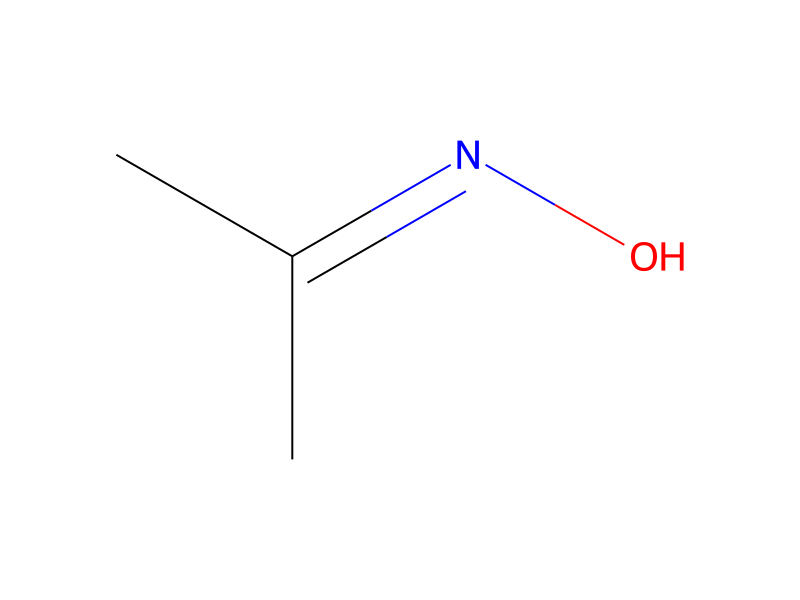
HCID 313Hydrochloric AcidHCID 10340Sodium CarbonateHCID 67180Acetone, oximeHCID 1211941,4-Benzenedicarbonitrile, 2-fluoro-HCID 23665647Potassium tert-butoxide

Produkt 1

HCID 114578353-Amino-1,2-benzisoxazole-6-carbonitrile

Reagenzien, Katalysatoren, Lösungsmittel

3
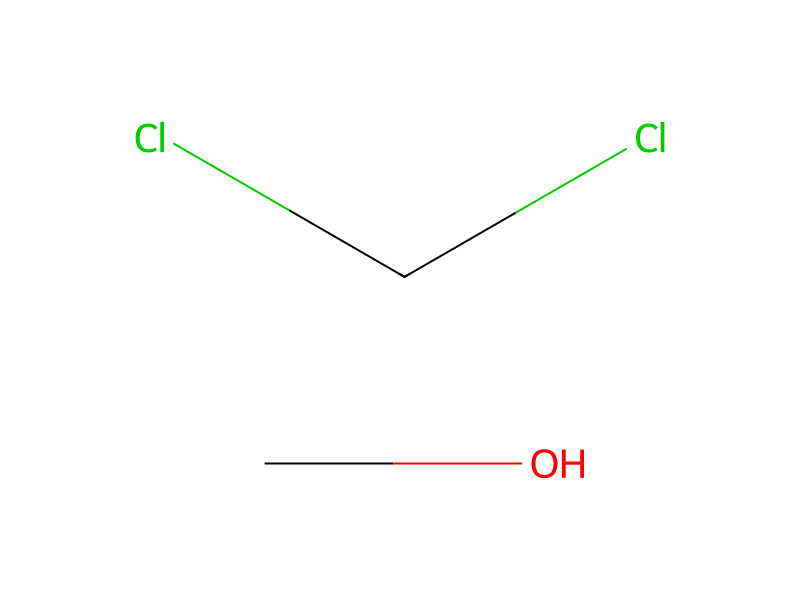
HCID 702EthanolLösungsmittelHCID 8028TetrahydrofuranLösungsmittel2×HCID 21226129Dichloromethane methanolLösungsmittel

Versuchsvorschrift

To a solution of 1 M potassium tert-butoxide in THF (11.0 mL, 11.0 mmol) was added acetone oxime (0.824 g, 11.3 mmol) in one portion. After stirring for 20 min at room temperature, a solution of 2-fluoro-terephthalonitrile (1.48 g, 10.1 mmol) in THF (11 mL) was slowly added through a syringe. The reaction mixture warmed up and turned into a red solution. After stirring for 1.5 hrs at room temperature, the mixture was heated at 60° C. for 1 hr. The reaction was quenched with a mixture of saturated ammonium chloride solution and water (1:1, 10 mL). THF was removed by rotary evaporation. The reaction mixture was then partitioned between ethyl acetate (30 mL) and brine (20 mL). The organic layer was separated and dried over anhydrous sodium sulfate. The solvent was then removed in vacuo to provide a yellow solid. The solid was then treated with a mixture of EtOH (22 mL) and HCl (1 N, 14 mL) at reflux for 1.5 hrs. After cooling to room temperature, the reaction mixture was basified with solid sodium carbonate and partitioned between ethyl acetate (100 mL) and water (20 mL). The aqueous layer was further extracted with ethyl acetate (2×25 mL). All organic layers were combined and extracted with water (3.25 mL), brine (30 mL) then dried over anhydrous sodium sulfate. Rotary evaporation of solvent afforded a light brown solid. LC/MS (ESI) showed the desired mass (M+H++CH3CN: 201.1). All crude was dissolved in minimum amount of MeOH/DCM (5:95) and loaded onto a silica column. The product was eluted with (2 M NH3 in MeOH)/DCM (5:95). A light brown solid was obtained (1.01 g).


Aufarbeitung

  1. temperatureThe reaction mixture warmed up
  2. stirringAfter stirring for 1.5 hrs at room temperature
  3. temperaturethe mixture was heated at 60° C. for 1 hr
  4. customThe reaction was quenched with a mixture of saturated ammonium chloride solution and water (1:1, 10 mL)
  5. customTHF was removed by rotary evaporation
  6. customThe reaction mixture was then partitioned between ethyl acetate (30 mL) and brine (20 mL)
  7. customThe organic layer was separated
  8. dry with materialdried over anhydrous sodium sulfate
  9. customThe solvent was then removed in vacuo
  10. customto provide a yellow solid
  11. temperatureat reflux for 1.5 hrs
  12. temperatureAfter cooling to room temperature
  13. custompartitioned between ethyl acetate (100 mL) and water (20 mL)
  14. extractionThe aqueous layer was further extracted with ethyl acetate (2×25 mL)
  15. extractionextracted with water (3.25 mL), brine (30 mL)
  16. dry with materialthen dried over anhydrous sodium sulfate
  17. customRotary evaporation of solvent
  18. customafforded a light brown solid
  19. washThe product was eluted with (2 M NH3 in MeOH)/DCM (5:95)
  20. customA light brown solid was obtained (1.01 g)

Quellen und Nachweise

ORD-Eintrag
ord-ac830567d14644b9a92541363924f236
Quelldatensatz
uspto-grants-2010_11
DOI
10.6084/m9.figshare.5104873.v1
Patentnummer
US07829584B2

Notizen zur Reaktion

Auf dieser SeiteKomponentenVersuchsvorschriftAufarbeitungQuellen und NachweiseNotizen zur Reaktion