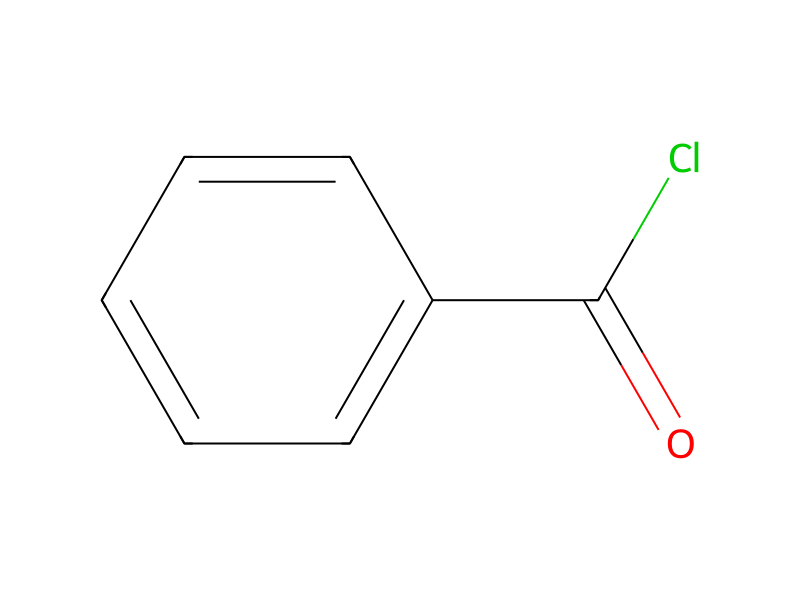
[Br:1][C:2]1[CH:9]=[CH:8][C:5]([NH:6][CH3:7])=[C:4]([N+:10]([O-:12])=[O:11])[CH:3]=1.N1C=CC=CC=1.[C:19](Cl)(=[O:26])[C:20]1[CH:25]=[CH:24][CH:23]=[CH:22][CH:21]=1>C(OCC)(=O)C>[Br:1][C:2]1[CH:9]=[CH:8][C:5]([N:6]([CH3:7])[C:19](=[O:26])[C:20]2[CH:25]=[CH:24][CH:23]=[CH:22][CH:21]=2)=[C:4]([N+:10]([O-:12])=[O:11])[CH:3]=16.8 g (29 mmol) of 4-bromo-N-methyl-2-nitroaniline were dissolved into 20 mL of pyridine. Furthermore, 5.0 g (35 mmol) of benzoyl chloride were added, and the whole was stirred under heating at 90° C. for 7 hours in an argon atmosphere. After the completion of the reaction, 200 mL of ethyl acetate were added, and the whole was washed with 10-mass % hydrochloric acid, 10-mass % K2CO3, and a saturated sodium chloride solution, and dried with magnesium sulfate. After filtration, the solvent was distilled off under reduced pressure, and the residue was purified by means of silica gel column chromatography to obtain 9.5 g of 4′-bromo-N-methyl-2′-nitro-benzanilide as a greenish white solid (96% yield).