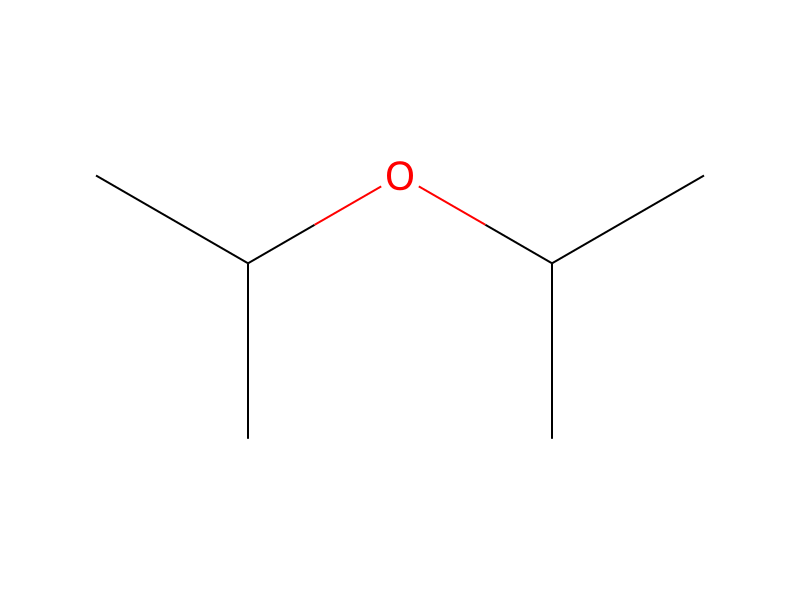
[Br:1][C:2]1[C:6]([N+:7]([O-:9])=[O:8])=[C:5](Br)[N:4]([CH2:11][CH:12]([OH:14])[CH3:13])[N:3]=1.[CH2:15]([NH2:22])[C:16]1[CH:21]=[CH:20][CH:19]=[CH:18][CH:17]=1.C(OC(C)C)(C)C>CCO>[CH2:15]([NH:22][C:5]1[N:4]([CH2:11][CH:12]([OH:14])[CH3:13])[N:3]=[C:2]([Br:1])[C:6]=1[N+:7]([O-:9])=[O:8])[C:16]1[CH:21]=[CH:20][CH:19]=[CH:18][CH:17]=1A mixture of 1-(3,5-dibromo-4-nitropyrazol-1-yl)propan-2-ol (3-3) (22 g, 666 mmol), EtOH (300 ml) and benzylamine (102 g, 936 mmol) was refluxed for 1.5 hours. The reaction medium was concentrated to the maximum under reduced pressure. DCM (100 ml) was added to the residue. The organic phase was washed with dilute acid (5×50 ml). The organic phase was dried over Na2SO4 and the solvent was evaporated off under reduced pressure. The brown oil obtained was treated with diisopropyl ether at 0° C. to give the 1-(5-benzylamino-3-bromo-4-nitropyrazol-1-yl)propan-2-ol (13.7 g, 58%) in the form of a yellow solid.