A-425619 → HCID 69522424, Verbindung
Reaktionsgleichung

[CH:1]1[C:10]2[C:5](=[C:6]([NH:11][C:12]([NH:14][CH2:15][C:16]3[CH:21]=[CH:20][C:19]([C:22]([F:25])([F:24])[F:23])=[CH:18][CH:17]=3)=[O:13])[CH:7]=[CH:8][CH:9]=2)[CH:4]=[CH:3][N:2]=1.[OH:26]OS([O-])=O.[K+]>C(Cl)(Cl)Cl>[O-:26][N+:2]1[CH:3]=[CH:4][C:5]2[C:10](=[CH:9][CH:8]=[CH:7][C:6]=2[NH:11][C:12]([NH:14][CH2:15][C:16]2[CH:21]=[CH:20][C:19]([C:22]([F:23])([F:24])[F:25])=[CH:18][CH:17]=2)=[O:13])[CH:1]=1Komponenten
4
Edukt 2

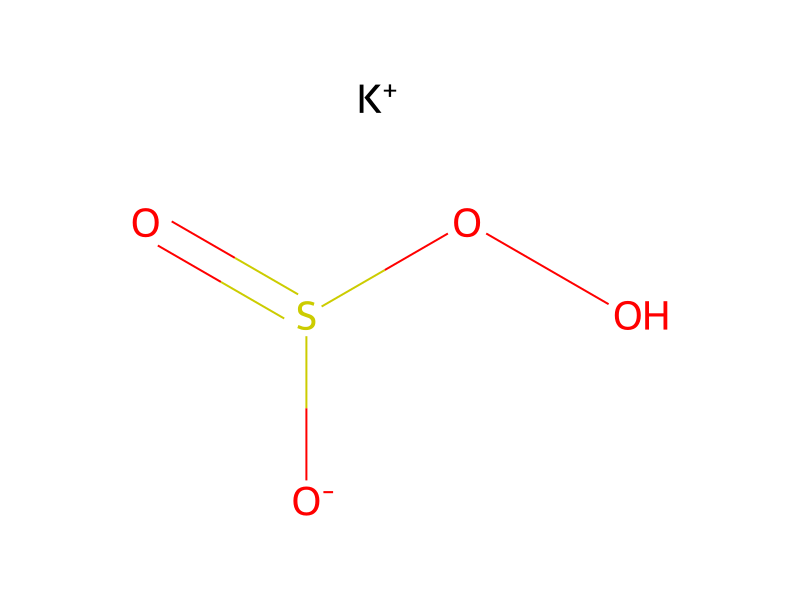
Produkt 1

Reagenzien, Katalysatoren, Lösungsmittel 1

Versuchsvorschrift
To a suspension of N-isoquinolin-5-yl-N′-[4-(trifluoromethyl)benzyl]urea (Example 14; 100 mg, 0.29 mmol) in chloroform (25 ml) was added Oxone (541 mg, 0.87 mmol), followed by wet alumina Grade III (1 g), and the resulting suspension heated at reflux for 60 minutes. Whilst the mixture was still hot it was filtered to remove alumina and Oxone, the solids were washed with more chloroform, then methanol, and the filtrate evaporated to dryness. The residue was purified by preparative TLC eluting with 10% MeOH in dichloromethane+0.5% NH4OH, and the product triturated with a mixture of dichloromethane/iso-hexanes, filtered and dried to give the title compound (11 mg, 10%) as a white solid. m/z (ES+) 362 (M+H)+.