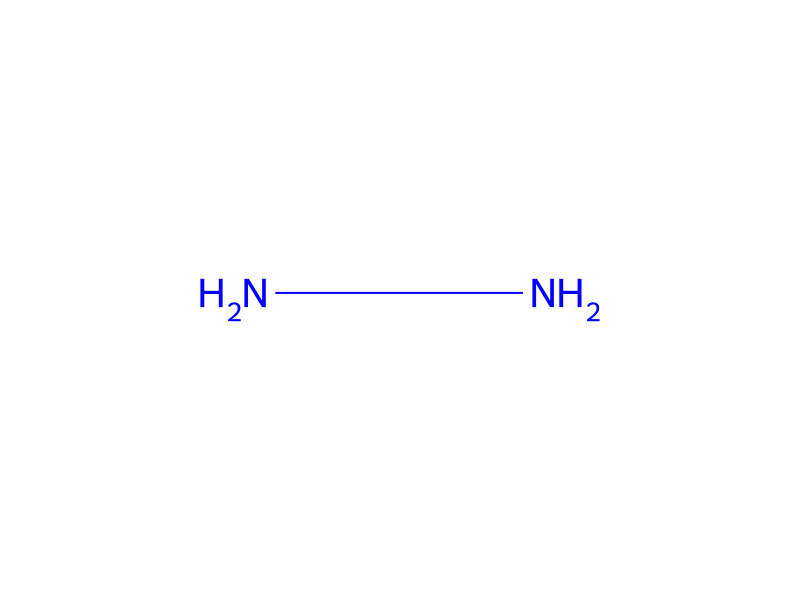
O=C1C2C(=CC=CC=2)C(=O)[N:3]1[CH2:12][C:13]1[C:14]([C:25]#[N:26])=[CH:15][C:16]2[O:23][CH2:22][CH:21]=[CH:20][CH2:19][O:18][C:17]=2[CH:24]=1.NN.Cl>C1COCC1>[NH2:3][CH2:12][C:13]1[C:14]([C:25]#[N:26])=[CH:15][C:16]2[O:23][CH2:22][CH:21]=[CH:20][CH2:19][O:18][C:17]=2[CH:24]=1The residue prepared in STEP A above (0.34 g, 0.98 mmol) and hydrazine (0.31 ml, 9.8 mmol) were dissolved in THF (34 ml) and stirred at room temperature for 5 h. 1N HCl (22 mL) was added and the resulting mixture stirred overnight. The resulting mixture was then concentrated in vacuo and the residue was triturated with water. The water triturations were combined and concentrated in vacuo. The resulting solid was partition between ethyl acetate (50 ml) and saturated sodium bicarbonate (10 mL). The aqueous layer was extracted with ethyl acetate. The organic layers were combined, washed with brine (20 ml), dried (Na2SO4) and concentrated in vacuo to yield (Z)-9-(aminomethyl)-2,5-dihydrobenzo[b][1,4]dioxocine-8-carbonitrile as a residue.