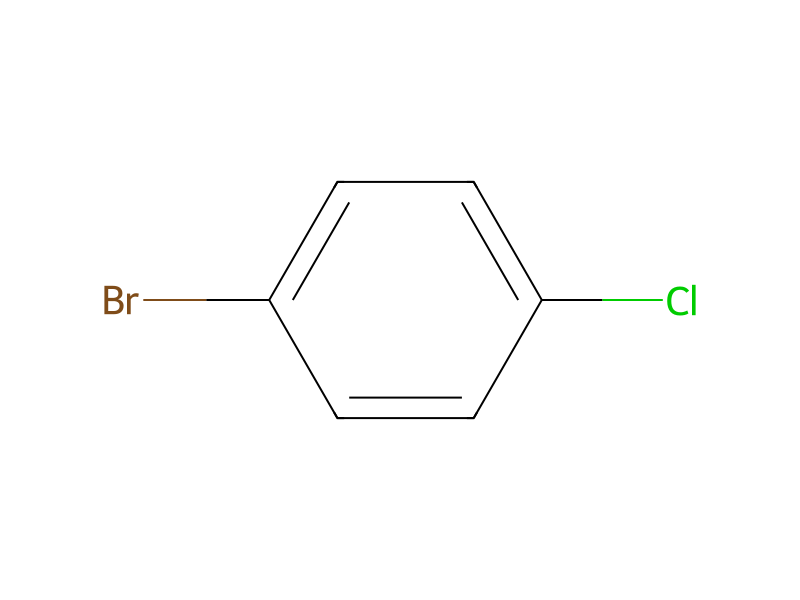
[C:1]([O:5][C:6]([N:8]1[C@@H:12]([CH2:13][CH2:14][C:15]2[CH:20]=[CH:19][C:18]([NH2:21])=[CH:17][CH:16]=2)[CH2:11][O:10][C:9]1([CH3:23])[CH3:22])=[O:7])([CH3:4])([CH3:3])[CH3:2].Br[C:25]1[CH:30]=[CH:29][C:28]([Cl:31])=[CH:27][CH:26]=1.C(=O)([O-])[O-].[Cs+].[Cs+]>O1CCOCC1>[C:1]([O:5][C:6]([N:8]1[C@@H:12]([CH2:13][CH2:14][C:15]2[CH:16]=[CH:17][C:18]([NH:21][C:25]3[CH:30]=[CH:29][C:28]([Cl:31])=[CH:27][CH:26]=3)=[CH:19][CH:20]=2)[CH2:11][O:10][C:9]1([CH3:23])[CH3:22])=[O:7])([CH3:4])([CH3:2])[CH3:3]In a pressure tube, (S)-4-[2-(4-amino-phenyl)-ethyl]-2,2-dimethyl-oxazolidine-3-carboxylic acid tert-butyl ester (0.3 g), 1-bromo-4-chlorobenzene (215 mg) and cesium carbonate (458 mg) were combined with dioxane (3 ml) to give a yellow suspension. The mixture was degassed by bubbling through argon for several minutes. Xantphos (32.5 mg) and tris(dibenzylideneacetone)dipalladium chloroform complex (29.1 mg) were then added and the tube was sealed. The reaction mixture was stirred at 110° C. overnight. The reaction mixture was then cooled to room temperature and concentrated in vacuo. The residue was purified by flash chromatography (SiO2; gradient: 0% to 100% EtOAc in hexane) to afford (S)-4-{2-[4-(4-chloro-phenylamino)-phenyl]-ethyl}-2,2-dimethyl-oxazolidine-3-carboxylic acid tert-butyl ester (228 mg, 57%) as a yellow oil. MS (EI): 432 ({37Cl}M+), 430 ({35Cl}M+H—OH+), 376 ({37Cl}[M−C4H8]+), 374 ({35Cl}[M−C4H8]), 231 ({37Cl}[ClC6H4NHC6H4CH═CH2]+), 229 ({35Cl}[ClC6H4NHC6H4CH═CH2]+), 57 ([C4H9]+).
Wird geladen…