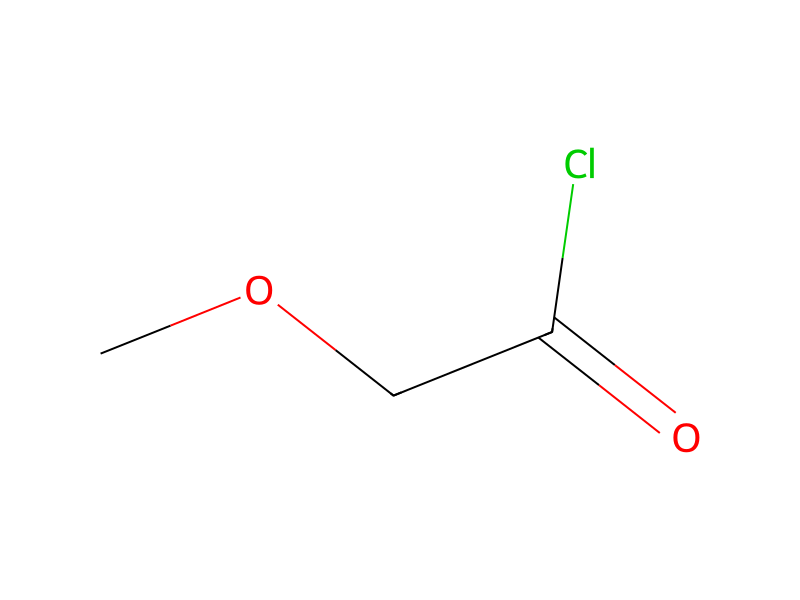
[Cl:1][C:2]1[CH:11]=[C:10]([C:12](=[O:14])[CH3:13])[C:9]([N:15]2[CH2:20][CH2:19][NH:18][CH2:17][CH2:16]2)=[C:8]2[C:3]=1[CH:4]=[CH:5][CH:6]=[N:7]2.[CH3:21][O:22][CH2:23][C:24](Cl)=[O:25].C(N(CC)CC)C>C(Cl)Cl>[Cl:1][C:2]1[CH:11]=[C:10]([C:12](=[O:14])[CH3:13])[C:9]([N:15]2[CH2:16][CH2:17][N:18]([C:24](=[O:25])[CH2:23][O:22][CH3:21])[CH2:19][CH2:20]2)=[C:8]2[C:3]=1[CH:4]=[CH:5][CH:6]=[N:7]21-(5-chloro-8-piperazin-1-ylquinolin-7-yl)ethanone (0.030 g, 0.10 mmol, from Example 47, Step 1) was combined with methoxyacetyl chloride (0.014 mL, 0.16 mmol) and triethylamine (0.043 mL, 0.31 mmol) in methylene chloride (1.0 mL) at room temperature and stirred for 2 hours. The reaction was diluted with dichloromethane, washed with water, dried over MgSO4 and then concentrated. The resulted residue was purified on silica gel (eluting with 0 to 5% methanol in dichloromethane) to give the desired product (23 mg, 61%). LCMS calculated for C18H21ClN3O3 (M+H)+: m/z=362.1; Found: 362.0
Wird geladen…