StartseiteMCPWorkbenchSkills
StartseiteWorkbenchBenachrichtigungenMein Bereich
llms.txt · MCP-AnleitungDatenschutz · Nutzungsbedingungen · Supportv1.8.3
  1. Startseite
  2. /Reaktion

Lead dioxide → Michler's ethylene

HRID 1199111
Drucken

Reaktionsgleichung

Reaktionsgleichung von HRID 1199111
[CH3:1][N:2]([CH3:23])[C:3]1[CH:8]=[CH:7][C:6]([C:9]([C:14]2[CH:19]=[CH:18][C:17]([N:20]([CH3:22])[CH3:21])=[CH:16][CH:15]=2)(C)[C:10](O)=O)=[CH:5][CH:4]=1.[Pb](=O)=O>C1C=CC=CC=1>[CH3:22][N:20]([CH3:21])[C:17]1[CH:16]=[CH:15][C:14]([C:9]([C:6]2[CH:5]=[CH:4][C:3]([N:2]([CH3:1])[CH3:23])=[CH:8][CH:7]=2)=[CH2:10])=[CH:19][CH:18]=1
KomponentenVersuchsvorschriftAufarbeitungQuellen und NachweiseNotizen zur Reaktion

Komponenten

4

Edukt 2

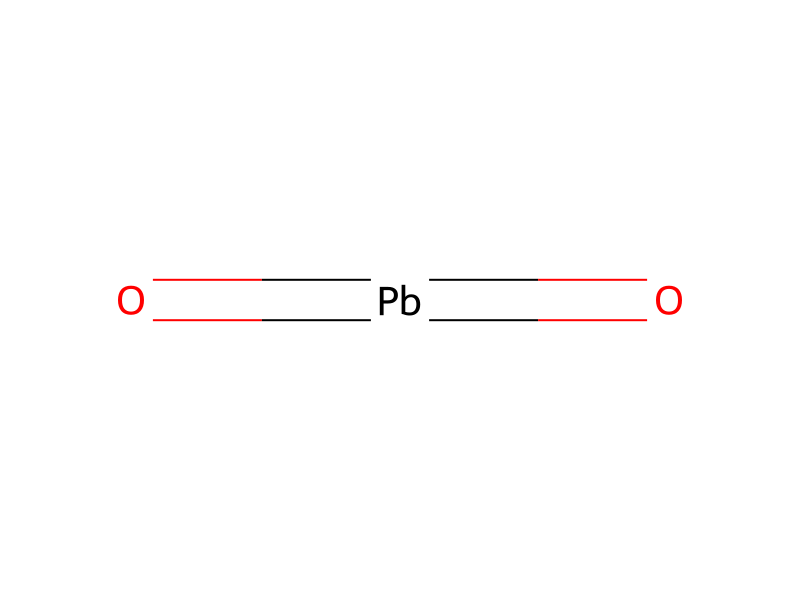
HCID 14793Lead dioxideHCID 142278752,2-Bis(4-dimethylaminophenyl)propionic acid

Produkt 1

HCID 81995Michler's ethyleneAusbeute 74 %

Reagenzien, Katalysatoren, Lösungsmittel 1

HCID 241BenzeneLösungsmittel

Versuchsvorschrift

Into 400 ml of benzene was dissolved 10 g of 2,2-bis(4-dimethylaminophenyl)propionic acid. Thereto was added 10 g of lead dioxide and the mixture was reacted at room temperature with stirring for 30 minutes. The lead compound was removed by filtration and the benzene layer was washed with 200 ml of 5% aqueous solution of sodium hydroxide. Benzene was removed by distillation at a reduced pressure. The residue was recrystallized from methanol to obtain 6.3 g (yield 74%) of 1,1-bis(4-dimethylaminophenyl)ethylene, having a melting point of 123°~123.5° C.

Aufarbeitung

  1. customthe mixture was reacted at room temperature
  2. customThe lead compound was removed by filtration
  3. washthe benzene layer was washed with 200 ml of 5% aqueous solution of sodium hydroxide
  4. customBenzene was removed by distillation at a reduced pressure
  5. customThe residue was recrystallized from methanol

Quellen und Nachweise

ORD-Eintrag
ord-ccc2554c860749499356c5d0ce701eaa
Quelldatensatz
uspto-grants-1990_02
DOI
10.6084/m9.figshare.5104873.v1
Patentnummer
US04898941

Notizen zur Reaktion

Auf dieser SeiteKomponentenVersuchsvorschriftAufarbeitungQuellen und NachweiseNotizen zur Reaktion