Reaktionsgleichung

[Cl:1][C:2]1[C:3](=[O:15])[N:4]([C:9]2[CH:14]=[CH:13][CH:12]=[CH:11][CH:10]=2)[N:5]=[CH:6][C:7]=1Cl.OC1C=CC(CC(O)=O)=CC=1.[NH3:27]>>[Cl:1][C:2]1[C:3](=[O:15])[N:4]([C:9]2[CH:14]=[CH:13][CH:12]=[CH:11][CH:10]=2)[N:5]=[CH:6][C:7]=1[NH2:27]Komponenten
4


Versuchsvorschrift
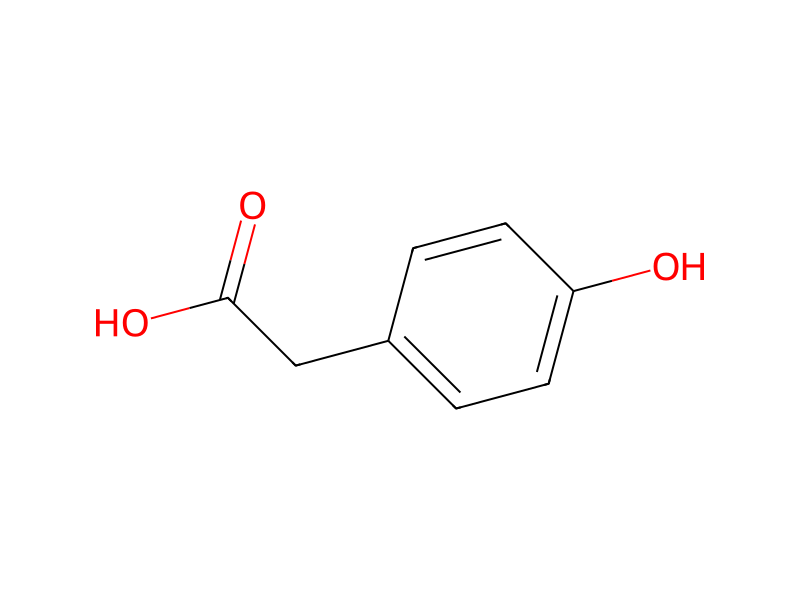
4,5-Dichloro-2-phenyl-pyridazinone (2.41 g), 4-hydroxyphenyl-acetic acid (1.0 g) and 20% aqueous ammonia (20 ml) were heated to 100°-110° C. with stirring in a small autoclave for 4 hours. The reaction mixture was then cooled to room temperature, and the resulting precipitate of 4-chloro-5-amino-2-phenyl-3(2H)-pyridazinone was isolated by filtration, washed with water and dried. 1.86 g of pure 4-chloro-5-amino-2-phenyl-3(2H)-pyridazinone were obtained, m.p. 206°-207° C. The mother liquor and the washings contained 0.15 g of 4-chloro-5-amino-2-phenyl-3(2H)-pyridazinone. The total amount of 4-chloro-5-amino-2-phenyl-3(2H)-pyridazinone formed was thus 2.01 g (91%).
Quellen und Nachweise
- ORD-Eintrag
- ord-2b94027f30854d7db2fd3abe8b63abd7
- Quelldatensatz
- uspto-grants-1984_06
- Patentnummer
- US04454318
Verknüpfte Notizen
Wird geladen…