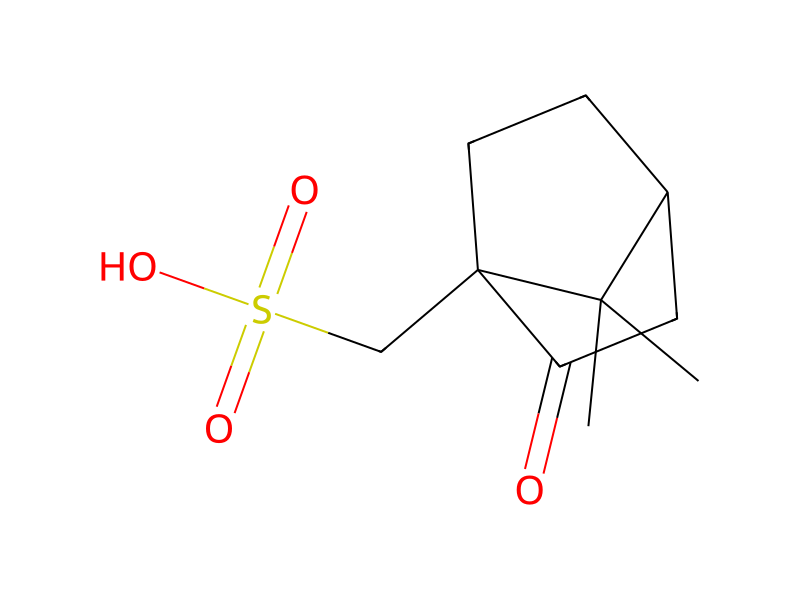
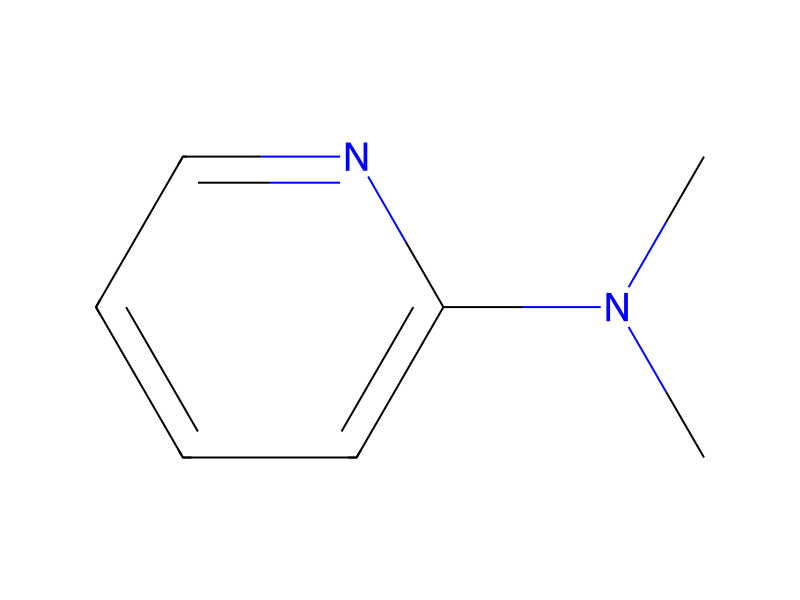
[NH:1]1[CH2:4][CH2:3][CH:2]1[C:5]([OH:7])=[O:6].[N:8]1[CH:13]=[CH:12][CH:11]=[C:10]([CH2:14][CH2:15][CH2:16]O)[CH:9]=1.C(N=[C:22]=[N:23][CH:24]([CH3:26])[CH3:25])(C)C.[C:27]12(CS(O)(=O)=O)C(C)(C)C(CC1)C[C:28]2=[O:29].C[N:43](C1C=CC=CN=1)C>ClCCl>[N:8]1[CH:13]=[CH:12][CH:11]=[C:10]([CH2:14][CH2:15][CH2:16][O:6][C:5]([C@@H:2]2[CH2:3][CH2:4][N:1]2[C:28]([C:27]2[CH:26]=[C:24]([CH3:25])[N:23]([CH3:22])[N:43]=2)=[O:29])=[O:7])[CH:9]=1(2S)-1-(1,5-dimethylpyrazol-3-yl)carbonyl]azetidine-2-carboxylic acid (129.6 mg, 0.58 mmol, 1.0 eq) was dissolved in dry dichloromethane (10 mL), to which was added 3-(3-pyridyl)-1 -propanol (80 μL, 0.62 mmol, 1.07 eq), diisopropylcarbodiimide (140 μL, 0.89 mmol, 1.53 eq), camphorsulfonic acid (46.3 mg, 0.2 mmol, 0.34 eq) and dimethylaminopyridine (29.2 mg, 0.24 mmol, 0.48 eq) in that order. The mixture was stirred at about room temperature for about 15 hours under argon. The solid was filtered off and washed with dichloromethane. The organic filtrate was concentrated and the residue was subjected to flash chromatography (1-10% methanol in chloroform) to give 191.6 mg (96% yield) of the product as a colorless oil. 1H NMR (CDCl3) δ 1.78-2.82 (series of m and s, 9H); 3.61-3.82 (series of s, 3H); 3.82-4.74 (series of m, 4H); 4.89 and 5.32 (dd, 1H, J=10.3, 6.0, J=10.3, 6.0); 6.50-6.57 (series of s, 1H); 7.18-7.24 (m, 1H); 7.40 and 7.54 (d, 1H, J=7.7, J=7.7); 8.28-8.49 (series of nd, 2H).