StartseiteMCPWorkbenchSkills
StartseiteWorkbenchBenachrichtigungenMein Bereich
llms.txt · MCP-AnleitungDatenschutz · Nutzungsbedingungen · Supportv1.8.3
  1. Startseite
  2. /Reaktion

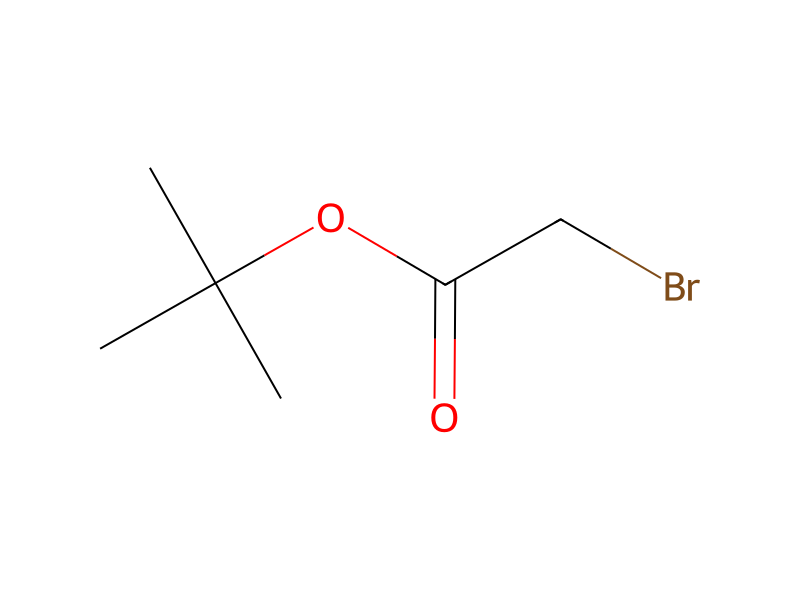
tert-Butyl bromoacetate → 2,3,4,6-Tetra-O-benzyl-1-O-carboxymethyl-glucopyranose

HRID 1265302
Drucken

Reaktionsgleichung

Reaktionsgleichung von HRID 1265302
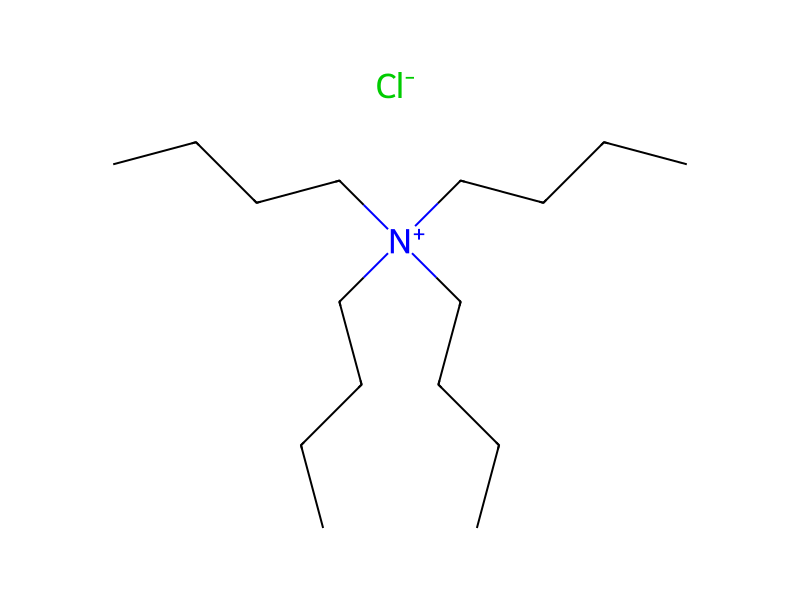
[CH2:1]([O:8][C@@H:9]1[C@@H:15]([O:16][CH2:17][C:18]2[CH:23]=[CH:22][CH:21]=[CH:20][CH:19]=2)[C@H:14]([O:24][CH2:25][C:26]2[CH:31]=[CH:30][CH:29]=[CH:28][CH:27]=2)[C@@H:13]([CH2:32][O:33][CH2:34][C:35]2[CH:40]=[CH:39][CH:38]=[CH:37][CH:36]=2)[O:12][CH:10]1[OH:11])[C:2]1[CH:7]=[CH:6][CH:5]=[CH:4][CH:3]=1.C([O:45][C:46](=[O:49])[CH2:47]Br)(C)(C)C>[Cl-].C([N+](CCCC)(CCCC)CCCC)CCC.C1(C)C=CC=CC=1.[OH-].[Na+]>[CH2:1]([O:8][C@@H:9]1[C@@H:15]([O:16][CH2:17][C:18]2[CH:23]=[CH:22][CH:21]=[CH:20][CH:19]=2)[C@H:14]([O:24][CH2:25][C:26]2[CH:27]=[CH:28][CH:29]=[CH:30][CH:31]=2)[C@@H:13]([CH2:32][O:33][CH2:34][C:35]2[CH:36]=[CH:37][CH:38]=[CH:39][CH:40]=2)[O:12][CH:10]1[O:11][CH2:47][C:46]([OH:49])=[O:45])[C:2]1[CH:3]=[CH:4][CH:5]=[CH:6][CH:7]=1
KomponentenReaktionsbedingungenVersuchsvorschriftAufarbeitungQuellen und NachweiseNotizen zur Reaktion

Komponenten

6

Edukt 2

HCID 79177tert-Butyl bromoacetateHCID 109405022,3,4,6-Tetrakis-O-(phenylmethyl)-D-glucopyranose

Produkt 1

HCID 103041232,3,4,6-Tetra-O-benzyl-1-O-carboxymethyl-glucopyranose

Reagenzien, Katalysatoren, Lösungsmittel 3

HCID 70681Tetrabutylammonium ChlorideKatalysatorHCID 1140Toluene
Lösungsmittel
2×
HCID 14798Sodium HydroxideLösungsmittel

Reaktionsbedingungen

Temperatur
0 °C

Versuchsvorschrift

A mixture that consists of 54.1 g (100 mmol) of 2,3,4,6-tetra-O-benzyl-glucopyranose, 1.39 g (5 mmol) of tetrabutylammonium chloride in 350 ml of toluene and 200 ml of 50% aqueous sodium hydroxide solution is cooled to 0° C. At 0° C., 29.3 g (150 mmol) of bromoacetic acid-tert-butyl ester is added in drops over 20 minutes while being stirred vigorously. It is stirred for 0.5 hour at 0° C. 250 toluene is added, the organic phase is separated, and the aqueous phase is extracted twice with 150 ml of toluene. The solvent of the combined organic phases is distilled off in a vacuum, and the residue is taken up in 400 ml of methanol. 50 ml of 50% aqueous sodium hydroxide solution is added, and it is refluxed for 0.5 hour. It is cooled to 0° C., set at pH 8 with 10% aqueous hydrochloric acid, and then the solvent is distilled off (vacuum). The residue is taken up in 300 ml of water and 500 ml of dichloromethane, and the pH of the aqueous phase is set at 2 while being stirred (10% aqueous hydrochloric acid). The organic phase is separated, and the aqueous phase is extracted once more with 200 ml of dichloromethane. The combined organic phases are dried on magnesium sulfate, the solvent is distilled off in a vacuum, and the residue is chromatographed on silica gel (mobile solvent: dichloromethane/n-hexane/ethanol/acetic acid=20:5:3:0.5). The product-containing fractions are concentrated by evaporation, dissolved in 400 ml of ethyl acetate and shaken out three times with 200 ml of water. Then, the organic phase is separated and evaporated to the dry state in a vacuum.

Aufarbeitung

  1. stirringIt is stirred for 0.5 hour at 0° C
  2. customthe organic phase is separated
  3. extractionthe aqueous phase is extracted twice with 150 ml of toluene
  4. distillationThe solvent of the combined organic phases is distilled off in a vacuum
  5. addition50 ml of 50% aqueous sodium hydroxide solution is added
  6. temperatureit is refluxed for 0.5 hour
  7. temperatureIt is cooled to 0° C.
  8. distillationthe solvent is distilled off (vacuum)
  9. stirringwhile being stirred (10% aqueous hydrochloric acid)
  10. customThe organic phase is separated
  11. extractionthe aqueous phase is extracted once more with 200 ml of dichloromethane
  12. customThe combined organic phases are dried on magnesium sulfate
  13. distillationthe solvent is distilled off in a vacuum
  14. customthe residue is chromatographed on silica gel (mobile solvent: dichloromethane/n-hexane/ethanol/acetic acid=20:5:3:0.5)
  15. concentrationThe product-containing fractions are concentrated by evaporation
  16. dissolutiondissolved in 400 ml of ethyl acetate
  17. stirringshaken out three times with 200 ml of water
  18. customThen, the organic phase is separated
  19. customevaporated to the dry state in a vacuum

Quellen und Nachweise

ORD-Eintrag
ord-a69006fcacdd4b39bd809e6c3ff2f64c
Quelldatensatz
uspto-grants-2003_04
DOI
10.6084/m9.figshare.5104873.v1
Patentnummer
US06545135B2

Notizen zur Reaktion

Auf dieser SeiteKomponentenReaktionsbedingungenVersuchsvorschriftAufarbeitungQuellen und NachweiseNotizen zur Reaktion