Triethylamine → 4-Fluorophenyl 2-propenoate
Reaktionsgleichung

[C:1](Cl)(=[O:4])[CH:2]=[CH2:3].[F:6][C:7]1[CH:12]=[CH:11][C:10]([OH:13])=[CH:9][CH:8]=1.C(N(CC)CC)C>ClCCl>[C:1]([O:13][C:10]1[CH:11]=[CH:12][C:7]([F:6])=[CH:8][CH:9]=1)(=[O:4])[CH:2]=[CH2:3]Komponenten
5
Edukt 3


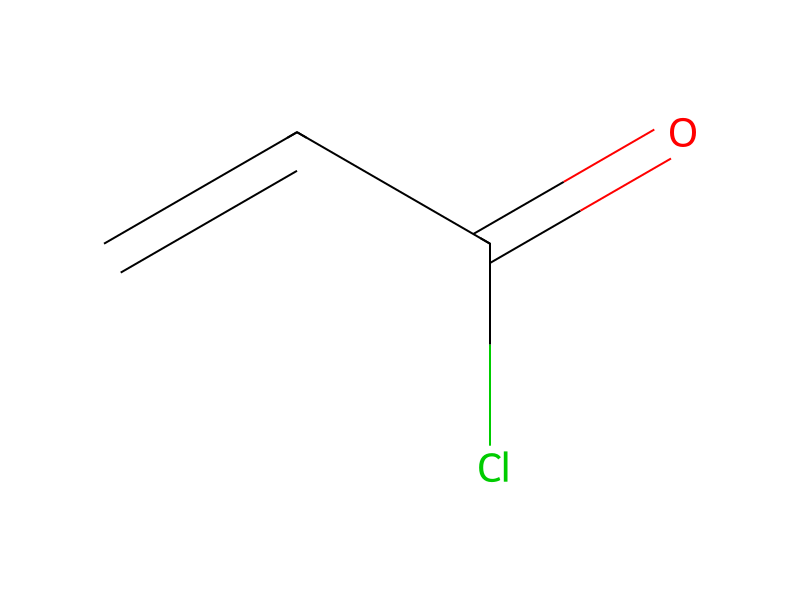
Produkt 1

Reagenzien, Katalysatoren, Lösungsmittel 1

Versuchsvorschrift
For example: Acryloyl chloride and 4-fluorophenol react in dichloromethane in the presence of triethylamine to give 4-fluorophenyl acrylate 10 (R=4-fluorophenyl). Compound 10 is then added to a solution of 9 in ethanol and diethylamine to give 11 (R=4-fluorophenyl) after usual workup.
Quellen und Nachweise
- ORD-Eintrag
- ord-aa96dff16a2e40b292b75db62f001a42
- Quelldatensatz
- uspto-grants-2003_04
- Patentnummer
- US06552046B2
Notizen zur Reaktion
Wird geladen…