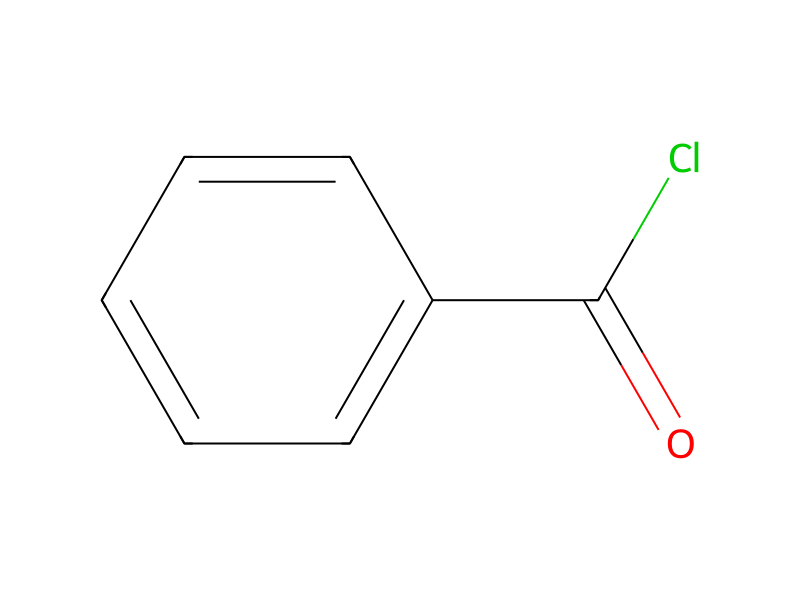
[CH:1]1([N:7]2[CH2:11][C@@H:10]([NH:12][CH3:13])[C@H:9]([OH:14])[CH2:8]2)[CH2:6][CH2:5][CH2:4][CH2:3][CH2:2]1.C(=O)([O-])[O-].[K+].[K+].[C:21]([Cl:29])(=[O:28])[C:22]1[CH:27]=[CH:26][CH:25]=[CH:24][CH:23]=1>C(Cl)Cl>[ClH:29].[CH:1]1([N:7]2[CH2:8][C@@H:9]([OH:14])[C@H:10]([N:12]([CH3:13])[C:21](=[O:28])[C:22]3[CH:27]=[CH:26][CH:25]=[CH:24][CH:23]=3)[CH2:11]2)[CH2:2][CH2:3][CH2:4][CH2:5][CH2:6]1A solution of trans-1-cyclohexyl-4-methylamino-3-pyrrolidinol (19.8 g) in 200 ml of methylene chloride was cooled to 5° C. and 20 g of powdered, anhydrous potassium carbonate was added. The mixture was stirred and cooled while 14.1 g of benzoyl chloride in 100 ml of methylene chloride was added dropwise. The mixture was allowed to come to room temperature and stirred for 24 hr., then heated at reflux for 5 hrs. The mixture was cooled and extracted with water. The methylene chloride was evaporated and the residue was converted to the hydrochloride and recrystallized twice from isopropyl alcohol, m.p. 184°-186.5° C.