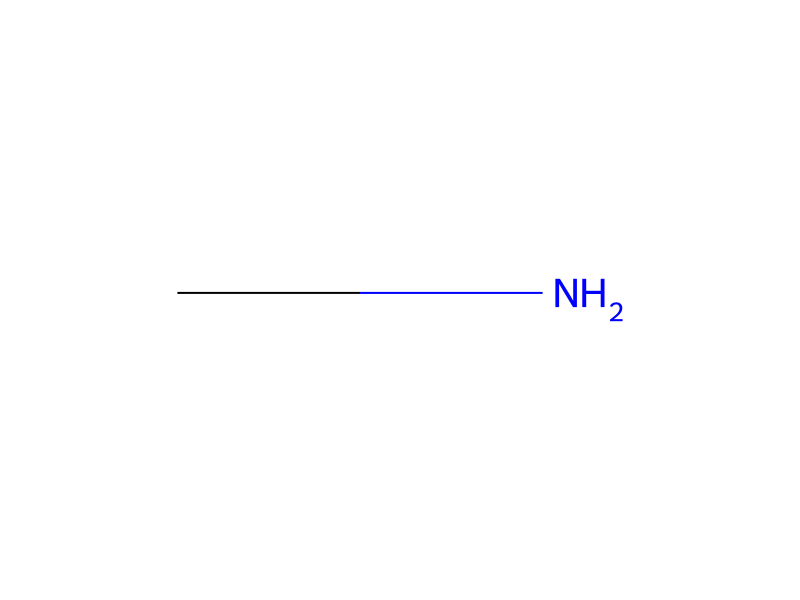
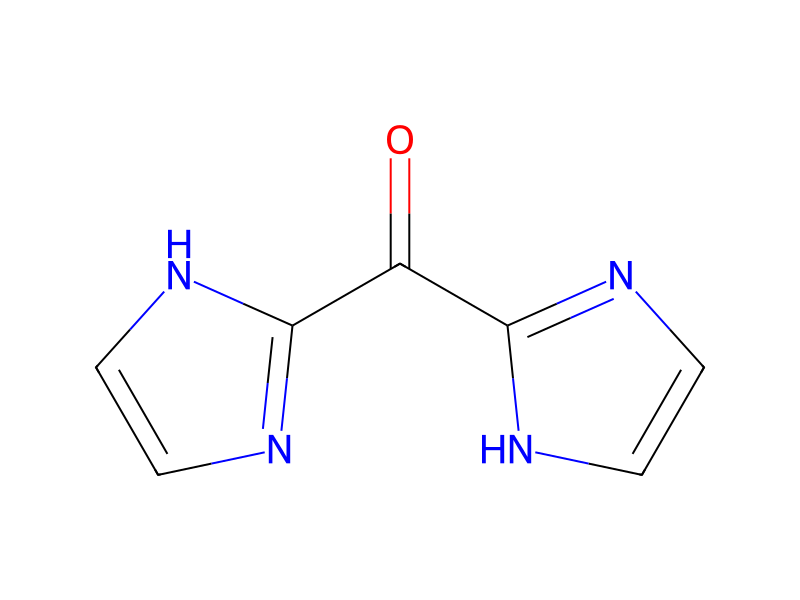
[NH2:1][C:2]1[N:6]([C:7]2[CH:12]=[CH:11][C:10]([F:13])=[CH:9][CH:8]=2)[N:5]=[CH:4][C:3]=1[C:14](=[O:26])[C:15]1[CH:20]=[CH:19][CH:18]=[C:17]([O:21][CH2:22][C:23]([OH:25])=O)[CH:16]=1.C(C1NC=CN=1)([C:29]1[NH:30]C=CN=1)=O.CN>O1CCCC1.C(OCC)(=O)C>[NH2:1][C:2]1[N:6]([C:7]2[CH:12]=[CH:11][C:10]([F:13])=[CH:9][CH:8]=2)[N:5]=[CH:4][C:3]=1[C:14](=[O:26])[C:15]1[CH:20]=[CH:19][CH:18]=[C:17]([O:21][CH2:22][C:23]([NH:30][CH3:29])=[O:25])[CH:16]=1To a solution of 5-amino-4-[3-(carboxymethyloxy)benzoyl]-1-(4-fluorophenyl)-pyrazole (0.5 g, 1.43 mmol) in tetrahydrofuran (10 ml) was added carbonyl diimidazole (0.3 g, 1.85 mmol) and the reaction mixture was heated at 60° C. After 1 h, methylamine (10 ml, 5 mmol, 0.5 M solution in tetrahydrofuran) was added and reaction was continued at 60° C. overnight. The reaction mixture was cooled and diluted with ethyl acetate. The organic layer was separated and washed with brine and dried over sodium sulfate. The organics were removed in vacuo and the residue was purified by flash chromatography (elution gradient: 20-30% acetone/hexane) to give 5-amino-1-(4-fluorophenyl)-4-[3-(methylaminocarbonylmethyloxy)benzoyl]pyrazole (0.25 g, mpt. 195.6-196.3° C.) as a solid.
Wird geladen…