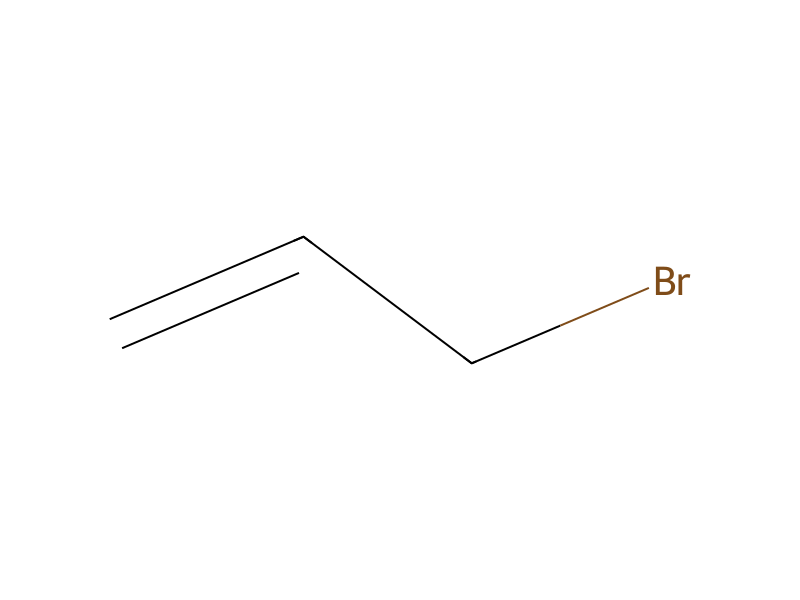
[C:1]1([NH:7][NH:8][C:9](=[O:21])[C:10]2[CH:15]=[CH:14][C:13]([Cl:16])=[C:12]([S:17](=[O:20])(=[O:19])[NH2:18])[CH:11]=2)[CH:6]=[CH:5][CH:4]=[CH:3][CH:2]=1.[I-].[K+].[CH2:24](Br)[CH:25]=[CH2:26]>C(O)(C)C>[CH2:26]([N:7]([C:1]1[CH:2]=[CH:3][CH:4]=[CH:5][CH:6]=1)[NH:8][C:9](=[O:21])[C:10]1[CH:15]=[CH:14][C:13]([Cl:16])=[C:12]([S:17](=[O:20])(=[O:19])[NH2:18])[CH:11]=1)[CH:25]=[CH2:24]In a three necked 12 liter round bottom reaction flask equipped with a mechanical stirrer and reflux condenser was placed isopropanol 6.1 liters and 1-phenyl-2-(3-sulfamoyl-4-chlorobenzoyl)-hydrazine 1.3 kg (4.1 mol), potassium iodide 68.0 g (0.41 mol) and allyl bromide 768 g (8 mol). This mixture was stirred at gentle reflux for about 20 hours then suction filtered while still hot. The cake was washed with isopropanol 300 ml and the combined filtrate and wash were diluted with warm water 2.7 liters. Crystallization occured in about 0.5 hours. The crystals were filtered and washed with isopropanol-water (70% v/v) to provide the compound (m.p. 99°-101° C.).