Benzoyl chloride → N1-[2-(4-amino-1H-imidazo[4,5-c]quinolin-1-yl)ethyl]benzamide
HRID 1280494
Reaktionsgleichung

[NH2:1][CH2:2][CH2:3][N:4]1[C:16]2[C:15]3[CH:14]=[CH:13][CH:12]=[CH:11][C:10]=3[N:9]=[C:8]([NH2:17])[C:7]=2[N:6]=[CH:5]1.[C:18](Cl)(=[O:25])[C:19]1[CH:24]=[CH:23][CH:22]=[CH:21][CH:20]=1>N1C=CC=CC=1>[NH2:17][C:8]1[C:7]2[N:6]=[CH:5][N:4]([CH2:3][CH2:2][NH:1][C:18](=[O:25])[C:19]3[CH:24]=[CH:23][CH:22]=[CH:21][CH:20]=3)[C:16]=2[C:15]2[CH:14]=[CH:13][CH:12]=[CH:11][C:10]=2[N:9]=1Komponenten
4
Edukt 2
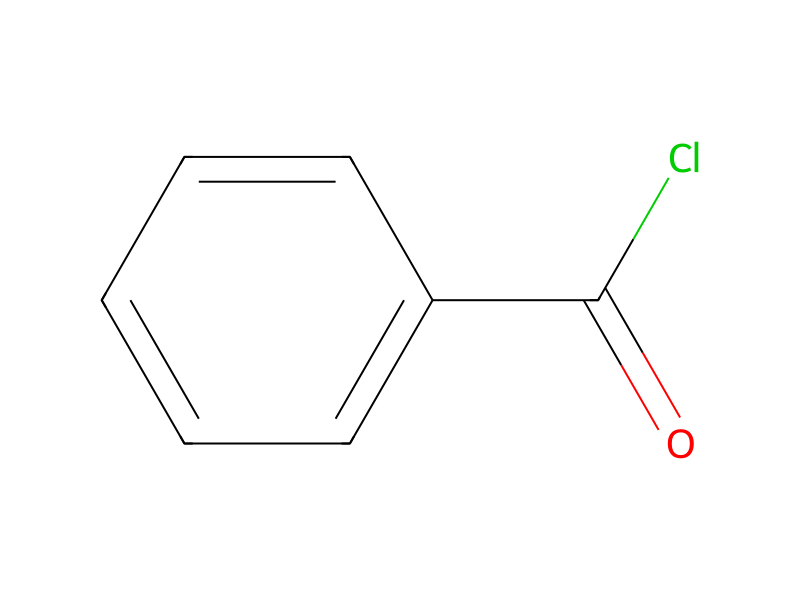

Produkt 1

Reagenzien, Katalysatoren, Lösungsmittel 1

Versuchsvorschrift
A mixture of 1-(2-aminoethyl)-1H-imidazo[4,5-c]quinolin-4-amine (0.40 g, 1.76 mmol) and anhydrous pyridine (60 mL) was heated until a clear solution was obtained. The solution was then cooled with an ice bath. Benzoyl chloride (0.25 g, 1.76 mmol) was added. The reaction mixture was maintained at ambient temperature overnight and then concentrated under vacuum. The residue was slurried with water (200 mL) and a solid was isolated by filtration. This material was recrystallized from isopropyl alcohol to provide 0.15 g of N1-[2-(4-amino-1H-imidazo[4,5-c]quinolin-1-yl)ethyl]benzamide as a white powder, m.p. 295° C. 1H NMR (500 MHz, DMSO-d6) δ8.50 (t, J=6.0 Hz, 1H), 8.23 (d, J=8.0 Hz, 1H), 8.04 (s, 1H), 7.75(d, J=8.0 Hz, 2H), 7.64 (d, J=8.0 Hz, 1H), 7.49 (t, J=8.0 Hz, 1H), 7.43 (t, J=8.0, 1H), 7.41 (t, J=8.0 Hz, 2H), 7.25 (t, J=8.0 Hz, 1H), 6.28 (broad s, 2H), 4.80(t, J=7.0 Hz, 2H), 3.80(q, J=6.0 Hz, 2H); MS (EI) m/e 331.1429 (331.1433 calcd for C19H17N5O).