Reaktionsgleichung

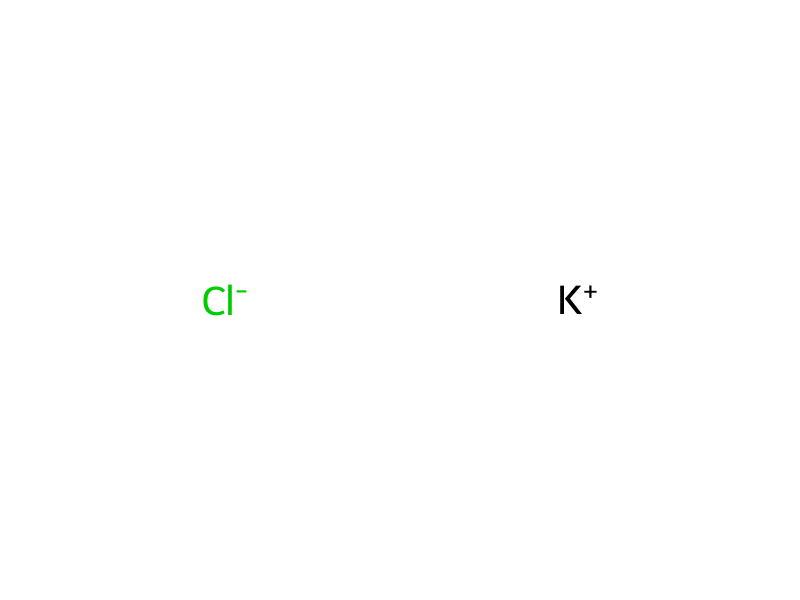
[Cl-].[K+].[Cl:3][Pt-2:4](Cl)(Cl)(Cl)(Cl)[Cl:5].[K+].[K+].Cl[Pt-2](Cl)(Cl)Cl.[K+].[K+].Cl.NN.[NH2:22][CH:23]1[CH2:28][CH2:27][CH2:26][CH2:25][CH:24]1[NH2:29].[OH-].[Na+]>>[CH2:27]1[CH2:28][CH:23]([NH-:22])[CH:24]([NH-:29])[CH2:25][CH2:26]1.[Cl:3][Pt+2:4][Cl:5]Komponenten




Versuchsvorschrift
An 8 gram portion of platinum metal was digested in 250 ml of aqua regia to form chloroplatinic acid. Potassium chloride (12 g) solution was added to immediately precipitate potassium hexachloroplatinate(IV) which was subsequently reduced to potassium tetrachloroplatinite (II) with 2 grams of hydrazine hydrochloride. To the red aqueous solution of potassium tetrachloroplatinite was added 6 ml of 1,2-diaminocyclohexane (Aldrich) and enough 0.5N NaOH to adjust the pH to 7. After overnight stirring, 10 grams (64% yield) of dichloro(1,2-diaminocyclohexane)platinum was collected as a yellow precipitate. The commercial diaminocyclohexane used in this synthesis was a mixture of cis and trans isomers and the platinum complex was therefore also an isomeric mixture. It should be noted that isomerically pure complex can be prepared from readily synthesized cis and trans isomers of diaminocyclohexane or from easily resolved pure enantiomers thereof, as prepared by the process of, e.g., U.S. Pat. No. 4,169,846.
Quellen und Nachweise
- ORD-Eintrag
- ord-1f800714975b427280e16e9a9898bda9
- Quelldatensatz
- uspto-grants-1986_01
- Patentnummer
- US04565884
Verknüpfte Notizen
Wird geladen…