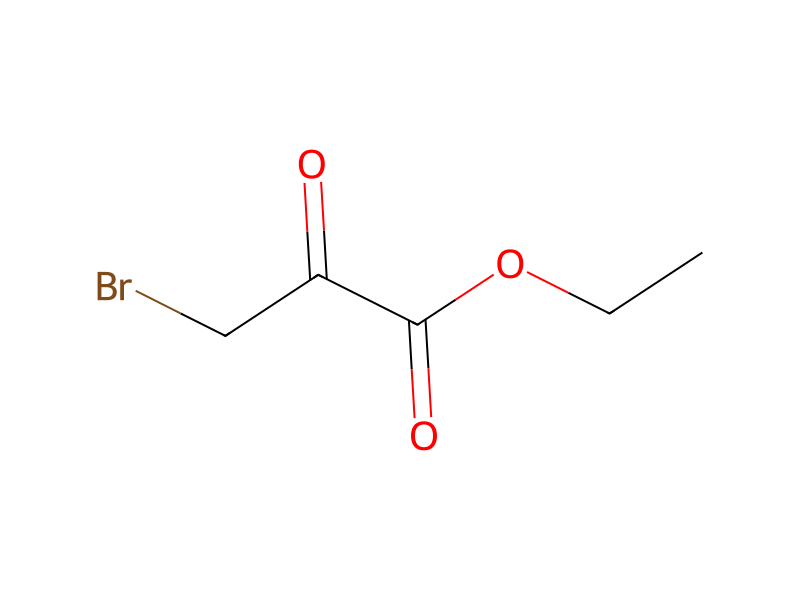
Ethyl bromopyruvate → 1-(4-Chloro-phenyl)-2-(2,4-dichloro-phenyl)-4-hydroxy-4,5-dihydro-1H-imidazole-4-carboxylic Acid Ethyl Ester
HRID 1296357
Reaktionsgleichung

[Cl:1][C:2]1[CH:17]=[C:16]([Cl:18])[CH:15]=[CH:14][C:3]=1[C:4]([NH:6][C:7]1[CH:12]=[CH:11][C:10]([Cl:13])=[CH:9][CH:8]=1)=[NH:5].C(=O)(O)[O-].[Na+].[CH2:24]([O:26][C:27](=[O:32])[C:28](=[O:31])[CH2:29]Br)[CH3:25]>CC(O)C>[CH2:24]([O:26][C:27]([C:28]1([OH:31])[CH2:29][N:6]([C:7]2[CH:8]=[CH:9][C:10]([Cl:13])=[CH:11][CH:12]=2)[C:4]([C:3]2[CH:14]=[CH:15][C:16]([Cl:18])=[CH:17][C:2]=2[Cl:1])=[N:5]1)=[O:32])[CH3:25]Komponenten
5