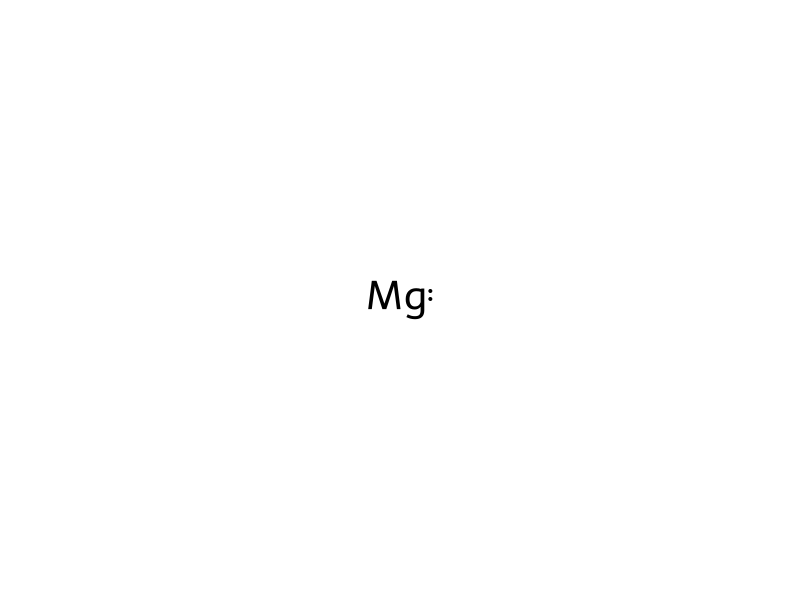
[Mg].Br[C:3]1[CH:8]=[CH:7][C:6]([S:9][CH3:10])=[C:5]([O:11][CH3:12])[CH:4]=1.II.CON(C)[C:18](=[O:29])[C@@H:19]([NH:21][C:22](=[O:28])[O:23][C:24]([CH3:27])([CH3:26])[CH3:25])[CH3:20]>O1CCCC1>[CH3:12][O:11][C:5]1[CH:4]=[C:3]([C:18](=[O:29])[C@H:19]([NH:21][C:22](=[O:28])[O:23][C:24]([CH3:26])([CH3:25])[CH3:27])[CH3:20])[CH:8]=[CH:7][C:6]=1[S:9][CH3:10]Magnesium (17 μg, 0.69 mmol) was placed in a screwcap reaction tube, and a solution of (4-bromo-2-methoxyphenyl)(methyl)sulfane (308e, 100 μg, 0.43 mmol) in tetrahydrofuran (1 mL) was added, followed by a small crystal of iodine. The tube was sealed and flushed with argon. The mixture was stirred at 60° C. overnight. After cooling (S)-tert-butyl 1-(methoxy(methyl)amino)-1-oxopropan-2-ylcarbamate (35 μg, 150 μmol) was added as a solid, and the mixture was stirred at r.t. for 1 h. Then the solvent was evaporated, the mixture was partitioned between aq. HCl (1N) and ethyl acetate. The organic layer was separated and dried. The product was isolated by HPLC to afford 10 mg (10%).