Dichlobenil → HCID 21100330, Verbindung
HRID 1352230
Reaktionsgleichung

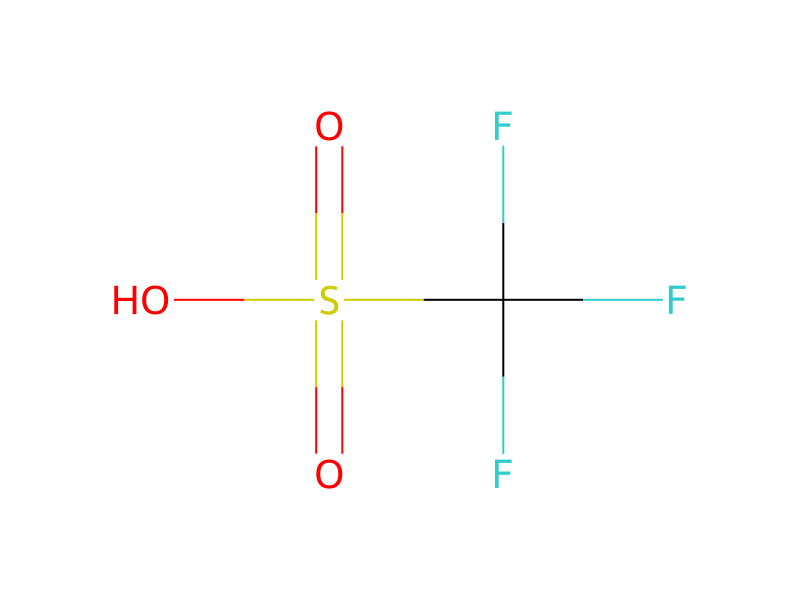
[Cl:1][C:2]1[CH:9]=[CH:8][CH:7]=[C:6]([Cl:10])[C:3]=1[C:4]#[N:5].[CH3:11][C:12]([C:14]1[CH:19]=[CH:18][C:17]([N+:20]([O-:22])=[O:21])=[CH:16][CH:15]=1)=[O:13].C([O-])(=O)C.C([O-])(=O)C.C1([I+2])C=CC=CC=1.FC(S(O)(=O)=O)(F)F>>[Cl:1][C:2]1[CH:9]=[CH:8][CH:7]=[C:6]([Cl:10])[C:3]=1[C:4]1[O:13][C:12]([C:14]2[CH:15]=[CH:16][C:17]([N+:20]([O-:22])=[O:21])=[CH:18][CH:19]=2)=[CH:11][N:5]=1Komponenten
5




Versuchsvorschrift
2,6-Dichlorobenzonitrile and 4-nitrophenyl methyl ketone can be reacted with phenyliodine (III) diacetate and trifluoromethylsulfonic acid by the method of R. S. Varma, et al, J. Heterocyclic Chem., 1998, 35(6), 1533–1534 to give 2-(2,6-dichlorophenyl)-5-(4-nitrophenyl)-1,3-oxazole. The nitrophenyl group can be reduced to the corresponding aniline with tin (II) dichloride or iron powder and ammonium chloride. Reaction of this aniline with 2,2-dichloroacetyl chloride and triethylamine can then give 2,2-dichloro-N-[4-[2-(2,6-dichlorophenyl)-5-(1,3-oxazolyl)]phenyl]acetamide.