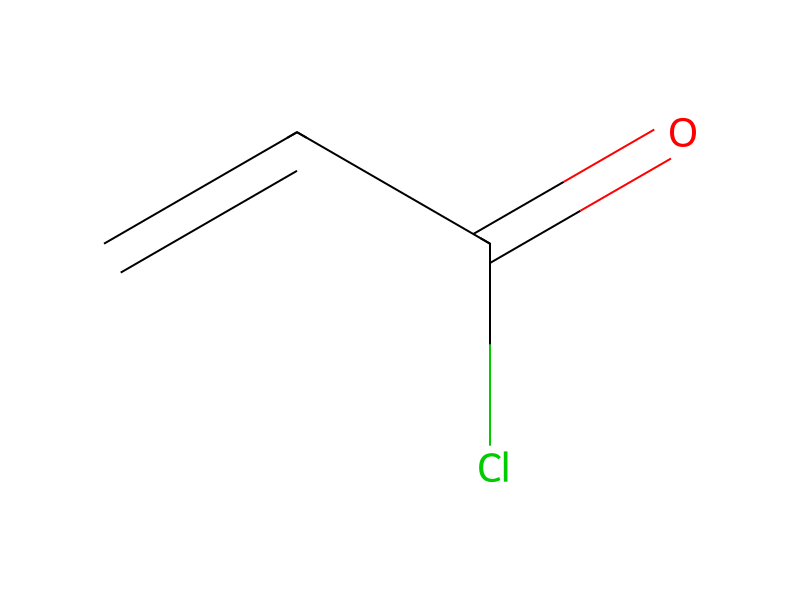
[OH:1][CH2:2][CH2:3][CH2:4][CH2:5][CH2:6][CH2:7][O:8][C:9]1[CH:19]=[CH:18][C:12]([CH:13]=[CH:14][C:15]([OH:17])=[O:16])=[CH:11][CH:10]=1.CN(C)C1C=CC=CC=1.[C:29](Cl)(=[O:32])[CH:30]=[CH2:31].Cl>O1CCCC1>[C:29]([O:1][CH2:2][CH2:3][CH2:4][CH2:5][CH2:6][CH2:7][O:8][C:9]1[CH:10]=[CH:11][C:12]([CH:13]=[CH:14][C:15]([OH:17])=[O:16])=[CH:18][CH:19]=1)(=[O:32])[CH:30]=[CH2:31]The resulting 4-(6-hydroxyhexyloxy)cinnamic acid (6 g, 0.023 mole) and N,N-dimethylaniline (6.6 g, 0.054 mole) were dissolved in tetrahydrofuran (50 mL), and to this mixture was further added dropwise a solution prepared by dissolving acryloyl chloride (4.4 g, 0.049 mole) in tetrahydrofuran (20 mL). After this addition, the mixture was stirred for 4 hours. Then, the reaction solution was poured into 10% hydrochloric acid, and deposited crystal was filtrated off. The resulting coarse crystal was dissolved in ethyl acetate (100 mL), and an organic layer was washed with saturated saline solution and dried over magnesium sulfate. The organic solvent was distilled off under reduced pressure, and then the coarse crystal was re-crystallized (n-hexane-ethyl acetate) to obtain 4-(6-acryloyloxyhexyloxy)cinnamic acid (3.9 g, 54%) in the form of a colorless crystalline powder.