StartseiteMCPSkillsWorkbenchOpenChem
StartseiteWorkbenchBenachrichtigungenMein Bereich
llms.txt · skill.md · MCP-AnleitungDatenschutz · Nutzungsbedingungen · Supportv1.8.5
  1. Startseite
  2. /Reaktion

Ammonium Chloride → methyl 4-(2H-tetrazol-5-ylmethoxy)benzoate

HRID 1361022
Drucken

Reaktionsgleichung

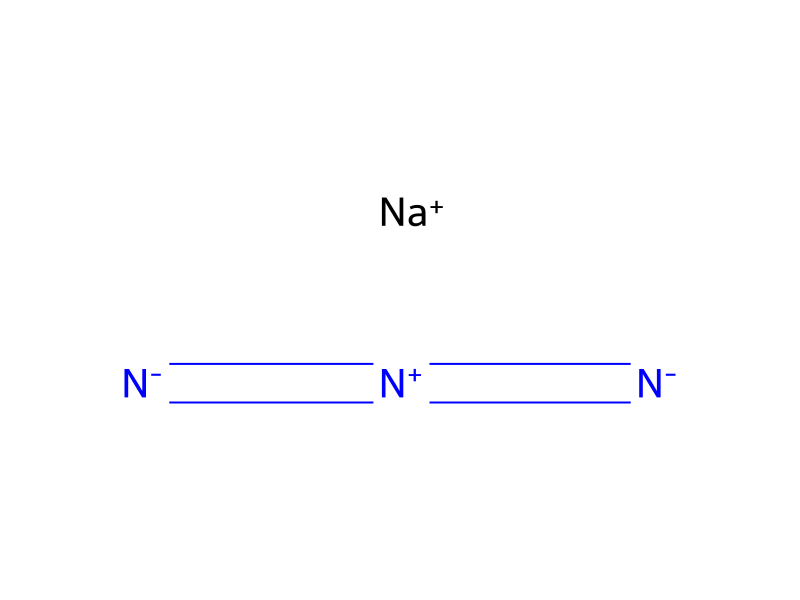
[C:1]([CH2:3][O:4][C:5]1[CH:14]=[CH:13][C:8]([C:9]([O:11][CH3:12])=[O:10])=[CH:7][CH:6]=1)#[N:2].[N-:15]=[N+:16]=[N-:17].[Na+].[Cl-].[NH4+]>CN(C=O)C>[N:2]1[NH:15][N:16]=[N:17][C:1]=1[CH2:3][O:4][C:5]1[CH:14]=[CH:13][C:8]([C:9]([O:11][CH3:12])=[O:10])=[CH:7][CH:6]=1
KomponentenVersuchsvorschriftAufarbeitungQuellen und NachweiseNotizen zur Reaktion

Komponenten

5

Edukt 3

HCID 25517Ammonium ChlorideHCID 33557Sodium AzideHCID 594916Methyl 4-(cyanomethoxy)benzoate

Produkt 1

HCID 2991808methyl 4-(2H-tetrazol-5-ylmethoxy)benzoate

Reagenzien, Katalysatoren, Lösungsmittel 1

HCID 6228DimethylformamideLösungsmittel

Versuchsvorschrift

A mixture of methyl 4-cyanomethyloxybenzoate (53.5 g, 0.20 mol), sodium azide (16.9 g, 0.26 mol) and ammonium chloride (13.9 g, 0.26 mol) in DMF 1000 (mL) was refluxed overnight under N2. After cooling, the mixture was concentrated in vacuo. The residue was suspended in cold water and extracted with ethyl acetate. The combined organic phases were washed with brine, dried over Na2SO4 and concentrated in vacuo, to afford methyl 4-(2H-tetrazol-5-ylmethoxy)benzoate. This compound was used as such in the following step.

Aufarbeitung

  1. temperaturewas refluxed overnight under N2
  2. temperatureAfter cooling
  3. concentrationthe mixture was concentrated in vacuo
  4. extractionextracted with ethyl acetate
  5. washThe combined organic phases were washed with brine
  6. dry with materialdried over Na2SO4
  7. concentrationconcentrated in vacuo

Quellen und Nachweise

ORD-Eintrag
ord-80713e3aee4d41a9b36d121e08a4b094
Quelldatensatz
uspto-grants-2011_02
DOI
10.6084/m9.figshare.5104873.v1
Patentnummer
US07879893B2

Notizen zur Reaktion

Auf dieser SeiteKomponentenVersuchsvorschriftAufarbeitungQuellen und NachweiseNotizen zur Reaktion