1,3-Propanediamine, N'-(ethylcarbonimidoyl)-N,N-dimethyl-, monohydrochloride → 2-[4-(2,5-difluorophenyl)phenyl]-N-methyl-N-(4-methyl-5-sulfamoyl-thiazol-2-yl)acetamide
HRID 1362787
Reaktionsgleichung

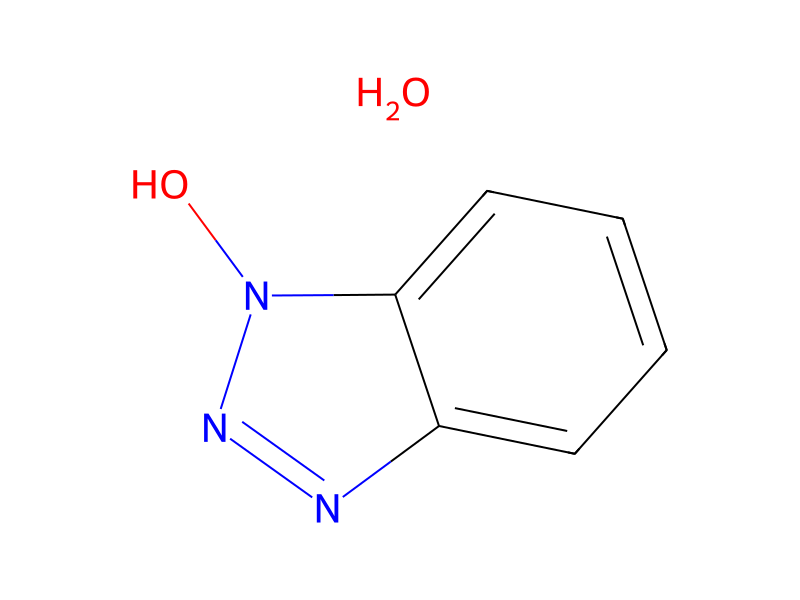
[F:1][C:2]1[CH:7]=[CH:6][C:5]([F:8])=[CH:4][C:3]=1[C:9]1[CH:14]=[CH:13][C:12]([CH2:15][C:16]([OH:18])=O)=[CH:11][CH:10]=1.O.ON1C2C=CC=CC=2N=N1.[CH3:30][NH:31][C:32]1[S:33][C:34]([S:38]([NH2:41])(=[O:40])=[O:39])=[C:35]([CH3:37])[N:36]=1.Cl.CN(C)CCCN=C=NCC>CN(C)C=O>[NH2:41][S:38]([C:34]1[S:33][C:32]([N:31]([CH3:30])[C:16](=[O:18])[CH2:15][C:12]2[CH:11]=[CH:10][C:9]([C:3]3[CH:4]=[C:5]([F:8])[CH:6]=[CH:7][C:2]=3[F:1])=[CH:14][CH:13]=2)=[N:36][C:35]=1[CH3:37])(=[O:39])=[O:40]Komponenten
6