4-Chlorophenol → 2-Chloro-1-(5-chloro-2-hydroxyphenyl)ethanone
HRID 1364436
Reaktionsgleichung

[Cl:1][C:2]1[CH:7]=[CH:6][C:5]([OH:8])=[CH:4][CH:3]=1.[Cl:9][CH2:10][C:11](Cl)=[O:12].[Cl-].[Al+3].[Cl-].[Cl-]>>[Cl:9][CH2:10][C:11]([C:6]1[CH:7]=[C:2]([Cl:1])[CH:3]=[CH:4][C:5]=1[OH:8])=[O:12]Komponenten
4
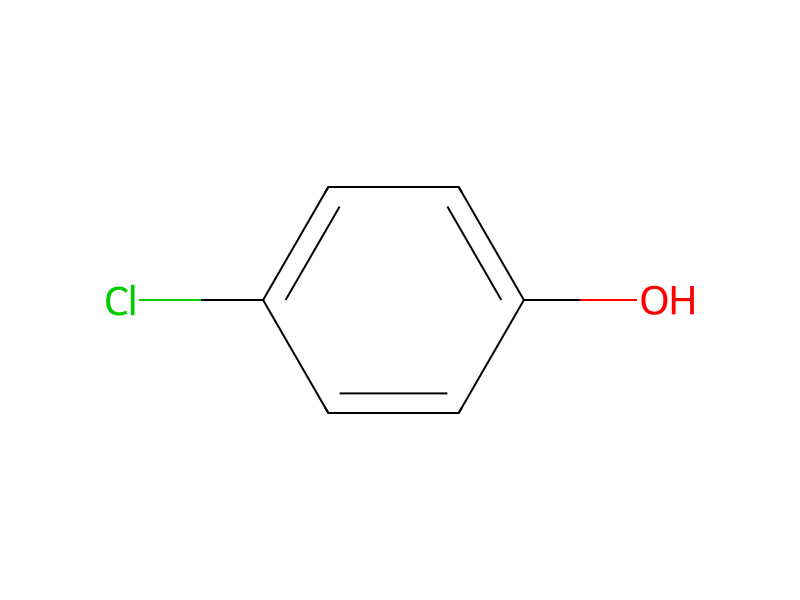



Reaktionsbedingungen
- Temperatur
- 80 °C
Versuchsvorschrift
(Ref: J. Org. Chem. 1955; 20; 813-818) A mixture of 4-chlorophenol (5 g; 39.0 mmol) and chloroacetyl chloride (3.41 mL; 42.8 mmol) was heated to 80° C. for 2.5 hours. Mixture cooled to 30° C. and aluminum chloride (5.2 g; 39.0 mmol) was added over 30 minutes. Mixture heated to 130° C. for 15 hours. Mixture cooled under N2 flow and reaction was quenched with 0.5 g of ice chuncks over 5 minutes. Mixture was treated with 12 mLs of 20% HCl and heated to 60° C. for 15 minutes (fumes generated). Mixture cooled back room temperature and after 30 minutes 2 phases observed. Aqueous phase was extracted, and oil organic layer was triturated with petroleum ether. Petroleum ether was decanted off. Mixture was then heated to 60° C. in 100 mL of benzene and charcoal. Mixture filtered and filtrate was concentrated to a third volume. Another 40 mLs of petroleum ether added and allowed to stand overnight. Mixture was decanted and mother liquor was evaporated to afford 2-chloro-1-(5-chloro-2-hydroxy-phenyl)-ethanone. (5 g; 63% yield).