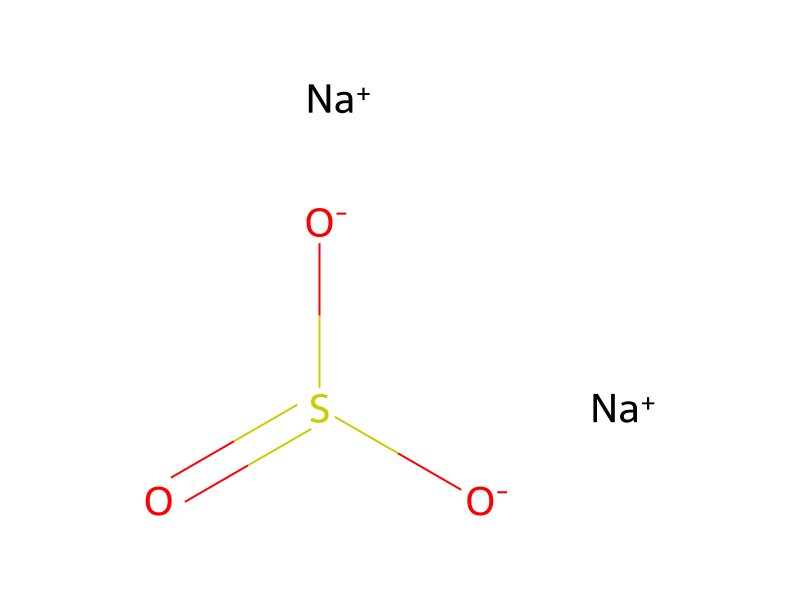
[C:1]1([C:7]2[C:13]3[CH:14]=[CH:15][CH:16]=[CH:17][C:12]=3[NH:11][CH2:10][CH2:9][N:8]=2)[CH:6]=[CH:5][CH:4]=[CH:3][CH:2]=1.[Br:18]N1C(=O)CCC1=O.S([O-])([O-])=O.[Na+].[Na+]>O1CCCC1>[Br:18][C:15]1[CH:16]=[CH:17][C:12]2[NH:11][CH2:10][CH2:9][N:8]=[C:7]([C:1]3[CH:2]=[CH:3][CH:4]=[CH:5][CH:6]=3)[C:13]=2[CH:14]=1A round-bottomed flask was charged with 5-phenyl-2,3-dihydro-1H-1,4-benzodiazepine (1.0 g) and tetrahydrofuran. The mixture was treated with N-bromosuccinimide (1.1 equiv.) then stirred at room temperature for 15 min. The reaction was then treated with an excess of sodium sulfite and the mixture was concentrated to dryness. The residue was dissolved in water and then extracted with ethyl acetate. The organic extracts were dried over magnesium sulfate, filtered and concentrated to an oil. Solids were induced from a methylene chloride/diethyl ether mixture and collected on filter. The solids were washed with diethyl ether then air-dried to provide 7-bromo-5-phenyl-2,3-dihydro-1H-1,4-benzodiazepine (0.60 g). H1 NMR (d6-dmso): 7.38-7.44 (m, 5H), 7.26 (dd, 1H), 6.86 (d, 1H), 6.75 (d, 1H), 6.41 (br t, 1H), 3.89 (m, 2H), 3.55 (m, 2H).