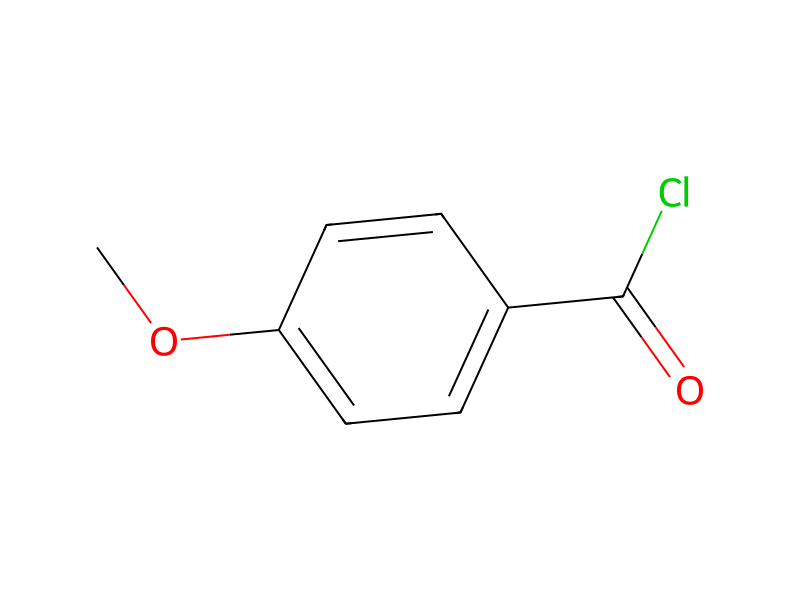
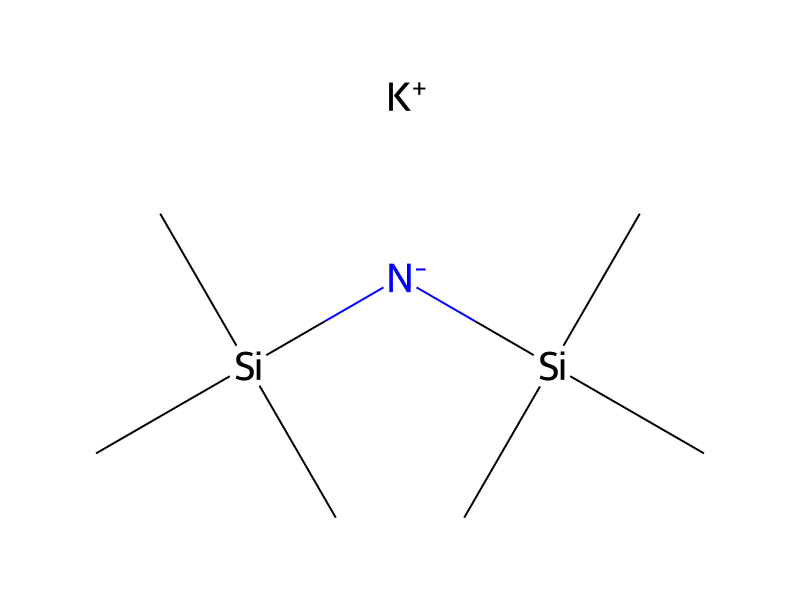
[C:1]([O:5][C:6]([NH:8][C:9]1[C:10]([NH2:15])=[N:11][CH:12]=[CH:13][CH:14]=1)=[O:7])([CH3:4])([CH3:3])[CH3:2].C[Si](C)(C)[N-][Si](C)(C)C.[K+].[C:26](Cl)(=[O:35])[C:27]1[CH:32]=[CH:31][C:30]([O:33][CH3:34])=[CH:29][CH:28]=1.[Cl-].[NH4+]>O1CCCC1.C(OCC)(=O)C>[C:1]([O:5][C:6]([NH:8][C:9]1[C:10]([NH:15][C:26](=[O:35])[C:27]2[CH:32]=[CH:31][C:30]([O:33][CH3:34])=[CH:29][CH:28]=2)=[N:11][CH:12]=[CH:13][CH:14]=1)=[O:7])([CH3:4])([CH3:2])[CH3:3]A solution of N3-(tert-butoxycarbonyl)-2,3-pyridinediamine (446 mg, 2.13 mmol) in tetrahydrofuran (7 mL) was treated with potassium hexamethyldisilazide (894 mg, 4.48 mmol). After 0.1 hr, the mixture was treated with p-anisoyl chloride (0.365 mL, 2.13 mmol). After 0.5 hr, the mixture was poured into aqueous ammonium chloride solution and ethyl acetate. The organic layer was washed three times with water, once with saturated sodium chloride solution, dried (magnesium sulfate), and filtered. Concentration in vacuo and purification of the residue by flash chromatography (silica gel, hexanes/ethyl acetate) yielded 250 mg (34%) of the title compound.