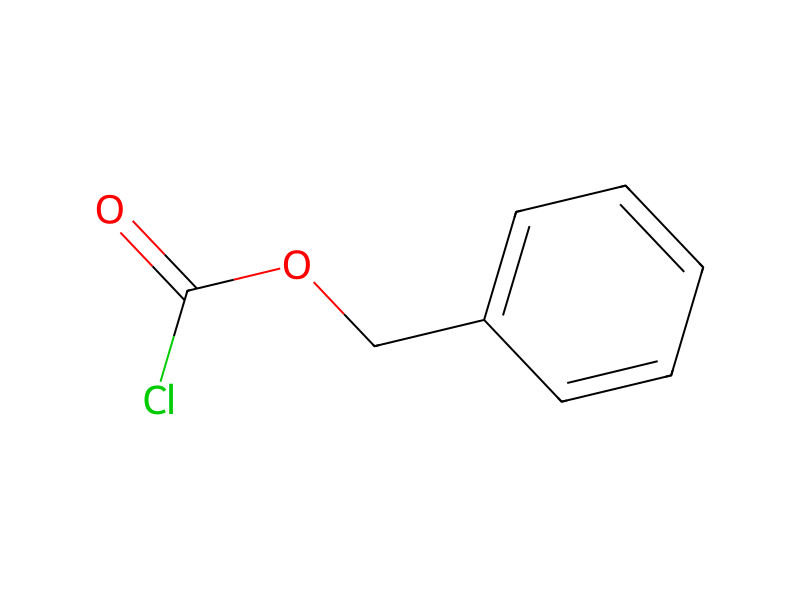
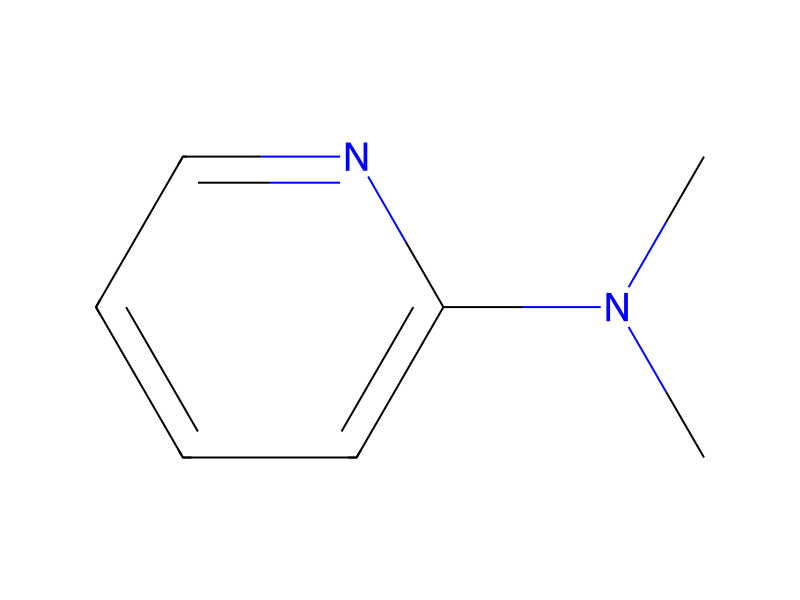
[N+:1]([C:4]1[CH:12]=[C:11]2[C:7]([CH2:8][CH2:9][NH:10]2)=[CH:6][CH:5]=1)([O-:3])=[O:2].C(N(CC)CC)C.Cl[C:21]([O:23][CH2:24][C:25]1[CH:30]=[CH:29][CH:28]=[CH:27][CH:26]=1)=[O:22]>ClCCl.CN(C1C=CC=CN=1)C>[CH2:24]([O:23][C:21]([N:10]1[C:11]2[C:7](=[CH:6][CH:5]=[C:4]([N+:1]([O-:3])=[O:2])[CH:12]=2)[CH2:8][CH2:9]1)=[O:22])[C:25]1[CH:30]=[CH:29][CH:28]=[CH:27][CH:26]=1A solution of 6-nitroindoline (10.0 g, 0.061 mol), triethylamine (22.7 mL, 0.16 mol) and dimethylaminopyridine (50 mg, cat.) in dichloromethane (130 mL) was stirred at 0° C. and benzyl chloroformate (18 mL, 0.12 mol) was added slowly. The mixture was allowed to warm to room temperature overnight. The mixture was washed with water (50 mL), 5% aqueous HCl (100 mL), saturated aqueous NaHCO3 (50 mL) and water (50 mL). The dichloromethane was dried (MgSO4) and evaporated under reduced pressure to give an orange solid. This was triturated in diethyl ether (150 ml) to give a yellow solid (12.34 g, 68%).