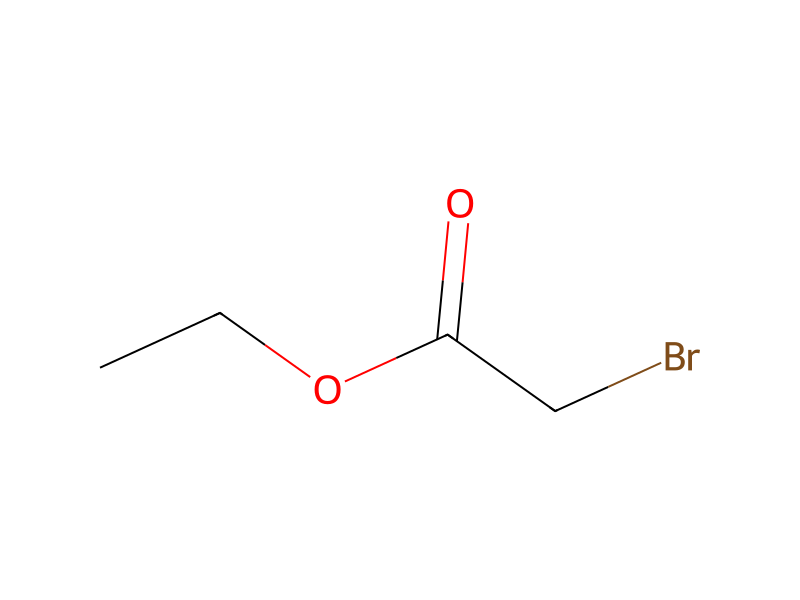
[Cl:1][C:2]1[CH:7]=[CH:6][C:5]([NH:8][C:9](=[O:14])[C:10]([F:13])([F:12])[F:11])=[C:4]([C:15]#[N:16])[CH:3]=1.[H-].[Na+].Br[CH2:20][C:21]([O:23][CH2:24][CH3:25])=[O:22].[Cl-].[NH4+].C(OCC)(=O)C>CN(C)C=O>[CH2:24]([O:23][C:21](=[O:22])[CH2:20][N:8]([C:5]1[CH:6]=[CH:7][C:2]([Cl:1])=[CH:3][C:4]=1[C:15]#[N:16])[C:9](=[O:14])[C:10]([F:13])([F:11])[F:12])[CH3:25]Under nitrogen, stir and cool to 0° C. a solution of N-(4-chloro-2-cyano-phenyl)-2,2,2-trifluoroacetamide (4.80 g, 19.31 mmol) in dimethylformamide (50 mL), and add NaH (0.7 g, 29.1 mmol). Stir the reaction for 1 h at ambient temperature and add ethyl bromoacetate (4.3 mL, 38.77 mmol) by means of a syringe. Stir at 50° C. overnight and then pour the reaction into aqueous ammonium chloride-ethyl acetate. Wash the organic layer with brine (2×'s), dry over MgSO4, filter and evaporate to obtain an oil. Chromatograph the oil eluting with 20% ethyl acetate/heptane and then 30% ethyl acetate/heptane. Concentrate the appropriate fractions and obtain 6.0 g of a solid MS 335(M+H), m.p. 71–73° C.