Reaktionsgleichung

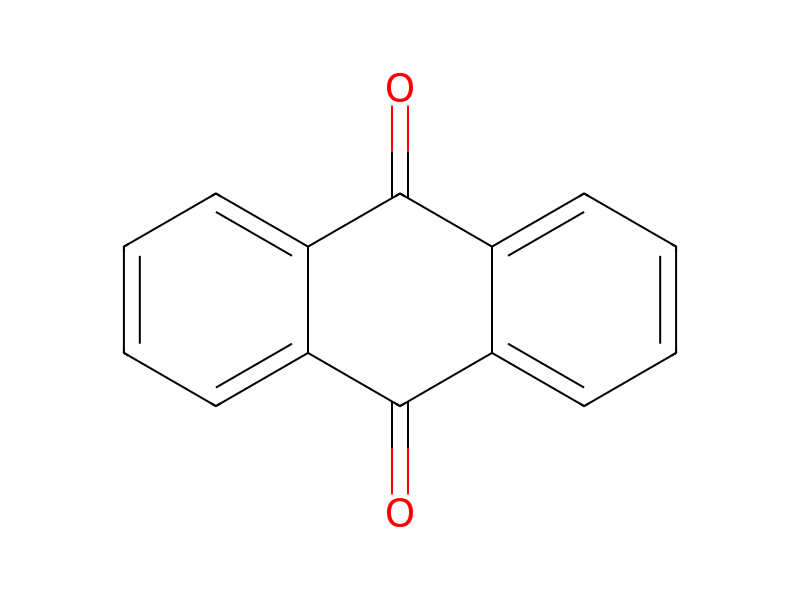
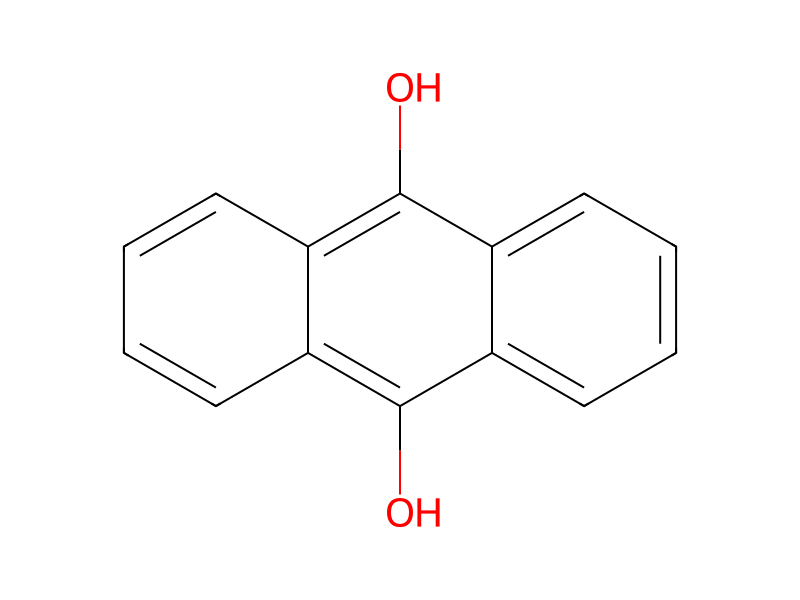
S.C([C:6]1[C:19]2[C:18](=[O:20])[C:17]3[C:12](=[CH:13][CH:14]=[CH:15][CH:16]=3)[C:11](=[O:21])[C:10]=2[CH:9]=[CH:8][CH:7]=1)(C)(C)C>>[CH:13]1[C:12]2[C:11](=[O:21])[C:10]3[C:19](=[CH:6][CH:7]=[CH:8][CH:9]=3)[C:18](=[O:20])[C:17]=2[CH:16]=[CH:15][CH:14]=1.[CH:15]1[CH:16]=[C:17]2[C:18]([OH:20])=[C:19]3[C:10](=[C:11]([OH:21])[C:12]2=[CH:13][CH:14]=1)[CH:9]=[CH:8][CH:7]=[CH:6]3Komponenten
4

Versuchsvorschrift
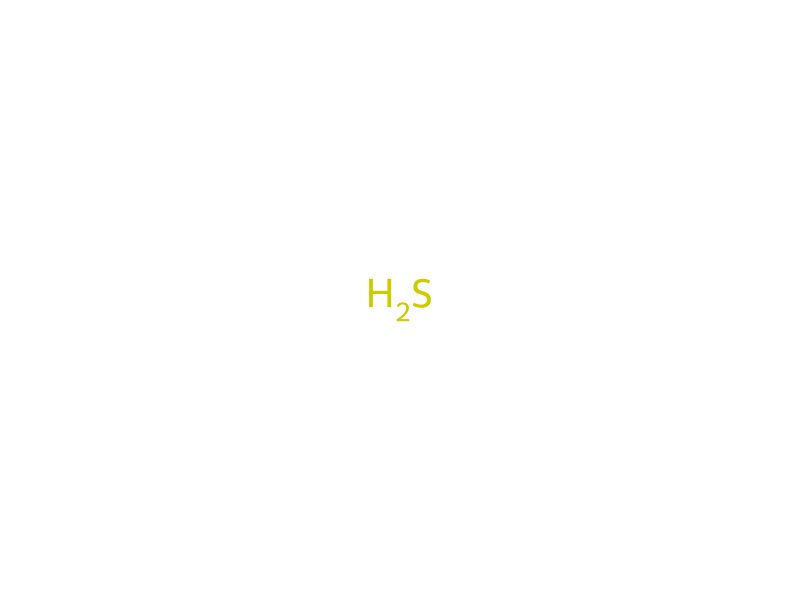
H2S and t-butyl anthraquinone are dissolved in several solvents. They are then reacted in the H2S reactor at optimum conditions to determine which combination of reactants and solvents yields the greatest conversion of anthraquinone to anthrahydroquinone. The results are set forth in Table 1 below.
Quellen und Nachweise
- ORD-Eintrag
- ord-f19aadf040314c9c9843f27d8b6328fe
- Quelldatensatz
- uspto-grants-1986_04
- Patentnummer
- US04581128
Verknüpfte Notizen
Wird geladen…