Phenethylamine → HCID 13120363, Verbindung
HRID 1382392
Reaktionsgleichung

[C:1]1([O:11][CH:12]([Cl:17])[CH:13]([OH:16])[CH2:14][CH3:15])[C:10]2[C:5](=[CH:6][CH:7]=[CH:8][CH:9]=2)[CH:4]=[CH:3][CH:2]=1.[CH2:18]([NH2:26])[CH2:19][C:20]1[CH:25]=[CH:24][CH:23]=[CH:22][CH:21]=1>CC(C)=O>[ClH:17].[C:1]1([O:11][CH2:12][CH:13]([OH:16])[CH2:14][CH2:15][NH:26][CH2:18][CH2:19][C:20]2[CH:25]=[CH:24][CH:23]=[CH:22][CH:21]=2)[C:10]2[C:5](=[CH:6][CH:7]=[CH:8][CH:9]=2)[CH:4]=[CH:3][CH:2]=1Komponenten
4
Edukt 2
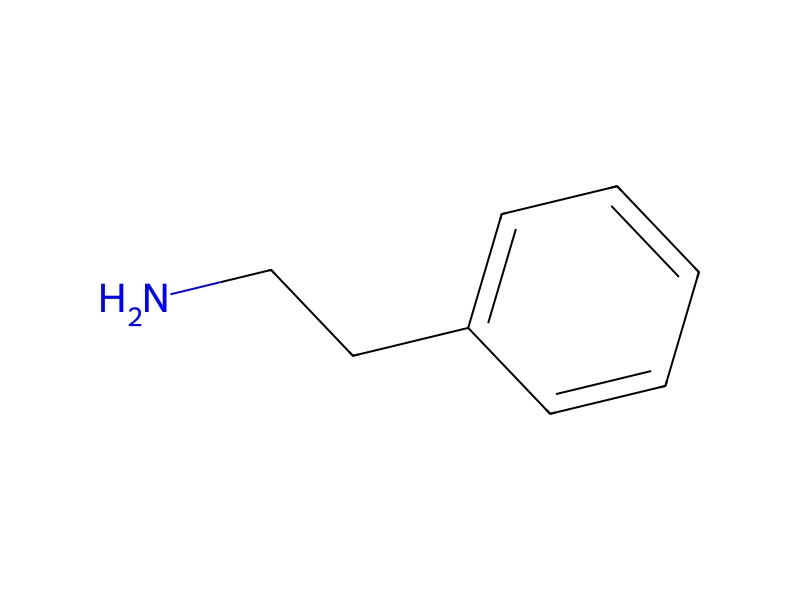

Produkt 1

Reagenzien, Katalysatoren, Lösungsmittel 1

Versuchsvorschrift
A mixture of 12.5 g. (0.05 mole) of 1-(1-naphthyloxy)-2-hydroxybutyl chloride and 14.5 g. (0.1 mole) of phenethylamine was heated at 120° C. for 20 min. on a hot plate. The resulting mixture was mixed with 250 ml. of acetone, heated to boiling and then filtered at room temperature. The filtrate was treated with 50 ml. of ethereal hydrogen chloride. The resulting white precipitate was filtered. The white crystalline solid was recrystallized from acetone and yielded 11.8 g. of the hydrochloride salt which melted at 163°-165° C.