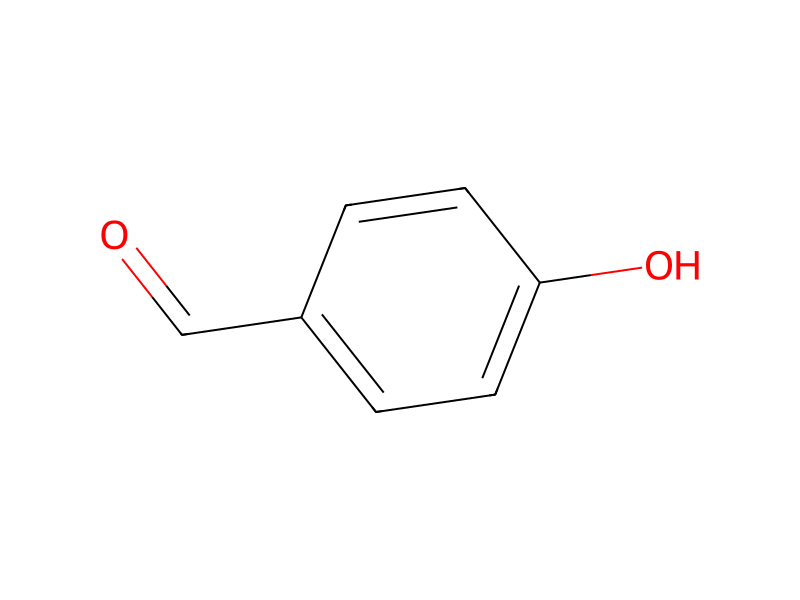
[ClH:1].[C:2]([N:5]1[CH2:10][CH2:9][CH:8]([CH2:11][CH2:12][C:13]([OH:15])=[O:14])[CH2:7][CH2:6]1)(=[NH:4])[NH2:3].O[C:17]1[CH:24]=[CH:23][C:20]([CH:21]=[O:22])=[CH:19][CH:18]=1.C1(N=C=NC2CCCCC2)CCCCC1>N1C=CC=CC=1>[ClH:1].[C:2]([N:5]1[CH2:10][CH2:9][CH:8]([CH2:11][CH2:12][C:13]([O:15][C:17]2[CH:24]=[CH:23][C:20]([CH:21]=[O:22])=[CH:19][CH:18]=2)=[O:14])[CH2:7][CH2:6]1)(=[NH:3])[NH2:4]A mixture of 4.0 g of 1-amidino-4-piperidinepropionic acid hydrochloride and 2.1 g of p-hydroxybenzaldehyde was suspended in 20 ml of dry pyridine. 3.5 g of dicyclohexylcarbodiimide was added with stirring to the suspension, and the resulting mixture was stirred overnight at room temperature. After removal of any insoluble materials, the filtrate was concentrated under reduced pressure. Ethyl acetate was added to the residue, and the mixture was stirred to give crystals. The crystals were recrystallized from methanol-ether to obtain 2.1 g (yield: 36.4%) of p-formylphenyl 1-amidino-4-piperidinepropionate hydrochloride as colorless crystals having a melting point of 144° to 147° C.