Phosgene → 3-(4-Chlorophenyl)-4-isopropyloxazolidine-2,5-dione
HRID 1389385
Reaktionsgleichung

[Cl:1][C:2]1[CH:7]=[CH:6][C:5]([NH:8][C@H:9]([C:13]([OH:15])=[O:14])[CH:10]([CH3:12])[CH3:11])=[CH:4][CH:3]=1.[C:16](Cl)(Cl)=[O:17]>O1CCOCC1>[Cl:1][C:2]1[CH:3]=[CH:4][C:5]([N:8]2[CH:9]([CH:10]([CH3:12])[CH3:11])[C:13](=[O:15])[O:14][C:16]2=[O:17])=[CH:6][CH:7]=1Komponenten
4
Edukt 2
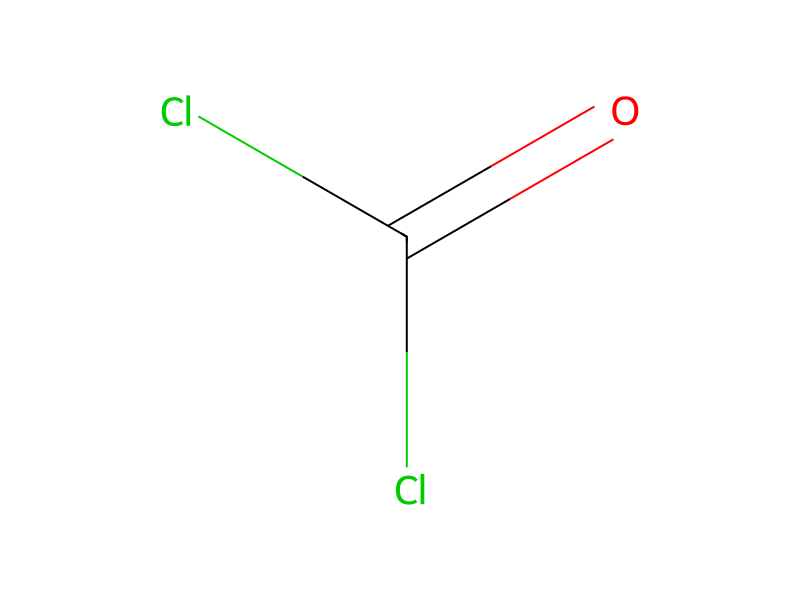

Produkt 1

Reagenzien, Katalysatoren, Lösungsmittel 1

Versuchsvorschrift
To 4.9 g of N-(4-chlorophenyl)valine (0.0215 mole) in 50 ml of 1,4-dioxane is slowly passed a stream of phosgene gas as the solution is stirred. Cooling is applied to keep the solution at RT. When the solution is saturated with phosgene, the phosgene is shut off and the mixture is allowed to stir under nitrogen at RT. After 45 hr, about two-thirds of the dioxane is removed by distilling at aspirator pressure. The residue is diluted with hexane, then allowed to crystallize overnight at RT. The solid is collected by filtration and washed with hexane, with care being taken to minimize exposure to air. The solid is dried in vacuo to yield 3-(4-chlorophenyl)-4-isopropyloxazolidine-2,5-dione, m.p. 137°-138°.