1-Bromooctane → N,N,N-Triethyloctan-1-aminium bromide
Reaktionsgleichung

[CH2:1]([N:3]([CH2:6][CH3:7])[CH2:4][CH3:5])[CH3:2].[Br:8][CH2:9][CH2:10][CH2:11][CH2:12][CH2:13][CH2:14][CH2:15][CH3:16]>C(#N)C>[Br-:8].[CH2:1]([N+:3]([CH2:6][CH3:7])([CH2:4][CH3:5])[CH2:9][CH2:10][CH2:11][CH2:12][CH2:13][CH2:14][CH2:15][CH3:16])[CH3:2]Komponenten
4
Edukt 2
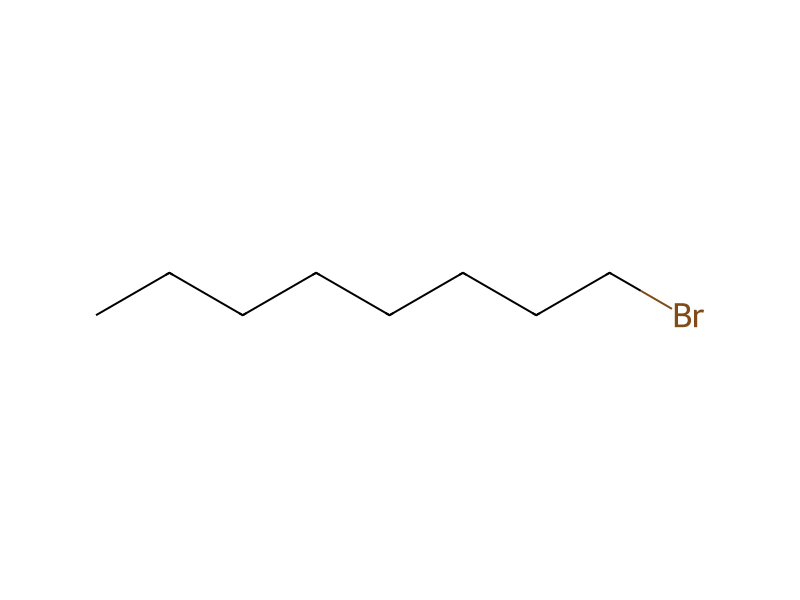

Produkt 1

Reagenzien, Katalysatoren, Lösungsmittel 1

Reaktionsbedingungen
- Temperatur
- 80 °C
Versuchsvorschrift
A 100 ml flask was purged with nitrogen before 8.84 g (0.087 mol) of triethylamine, 20.33 g (0.105 mol) of 1-bromoctane and 31.04 g of acetonitrile were introduced into the flask. The mixture was stirred under protective nitrogen gas at 80° C. for 48 hours. Volatiles were then drawn off under reduced pressure. The crude product was crystallized from an ethyl acetate/acetone mixture to obtain 18.55 g (0.063 mol) of triethyloctylammonium bromide (white hygroscopic crystals). The yield was 72%, based on triethylamine.
Aufarbeitung
- additionwere introduced into the flask
- customThe crude product was crystallized from an ethyl acetate/acetone mixture
Quellen und Nachweise
- ORD-Eintrag
- ord-4be0e1afb728492384c46609f9bf4d3a
- Quelldatensatz
- uspto-grants-2014_12
- Patentnummer
- US08901054B2
Notizen zur Reaktion
Wird geladen…