StartseiteMCPWorkbenchSkills
StartseiteWorkbenchBenachrichtigungenMein Bereich
llms.txt · MCP-AnleitungDatenschutz · Nutzungsbedingungen · Supportv1.8.3
  1. Startseite
  2. /Reaktion

Potassium Carbonate → 1-Cyclopropylmethyl-4-methoxy-2-oxo-1,2-dihydro-pyridine-3-carbonitrile

HRID 1400201
Drucken

Reaktionsgleichung

Reaktionsgleichung von HRID 1400201
[CH3:1][O:2][C:3]1[CH:8]=[CH:7][NH:6][C:5](=[O:9])[C:4]=1[C:10]#[N:11].Br[CH2:13][CH:14]1[CH2:16][CH2:15]1.C(=O)([O-])[O-].[K+].[K+]>C(#N)C>[CH:14]1([CH2:13][N:6]2[CH:7]=[CH:8][C:3]([O:2][CH3:1])=[C:4]([C:10]#[N:11])[C:5]2=[O:9])[CH2:16][CH2:15]1
KomponentenReaktionsbedingungenVersuchsvorschriftAufarbeitungQuellen und NachweiseNotizen zur Reaktion

Komponenten

5

Edukt 3

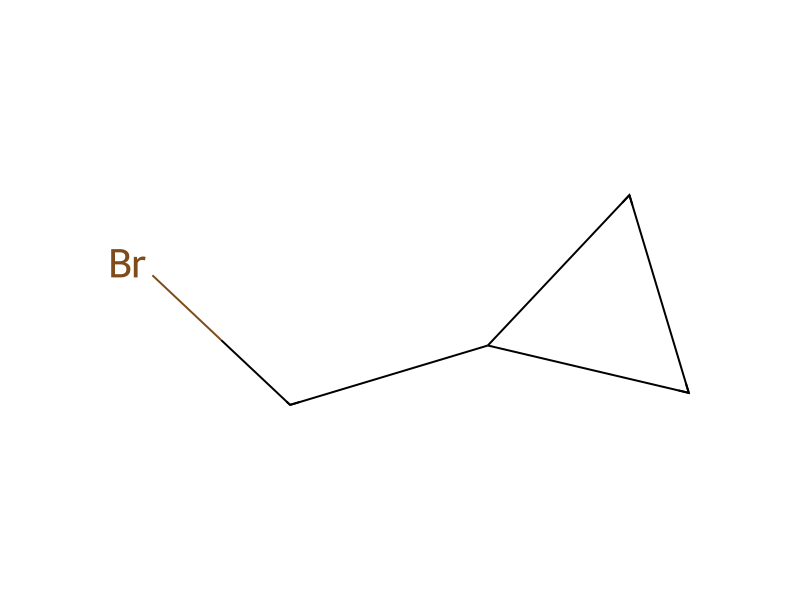
HCID 11430Potassium CarbonateHCID 81503BromomethylcyclopropaneHCID 27867023-Pyridinecarbonitrile, 1,2-dihydro-4-methoxy-2-oxo-

Produkt 1

HCID 592342401-Cyclopropylmethyl-4-methoxy-2-oxo-1,2-dihydro-pyridine-3-carbonitrileAusbeute 94,5 %

Reagenzien, Katalysatoren, Lösungsmittel 1

HCID 6342Acetonitrile
Lösungsmittel

Reaktionsbedingungen

Temperatur
110 °C

Versuchsvorschrift

To a solution of 4-methoxy-2-oxo-1,2-dihydro-pyridine-3-carbonitrile (12.2 g, 81.48 mmol) in acetonitrile (250 ml) were added bromomethyl-cyclopropane (11 g, 81.48 mmol) and potassium carbonate (22.48 g, 162.9 mmol) and the mixture was heated at 110° C. for 24 hours. The mixture was cooled to room temperature and the solid was filtered off The filtrate was evaporated till dryness and the resulting crude residue was then triturated with diethylether to yield pure intermediate 2 (15.72 g, 94%) as a white solid.

Aufarbeitung

  1. temperatureThe mixture was cooled to room temperature
  2. filtrationthe solid was filtered off The filtrate
  3. customwas evaporated till dryness
  4. customthe resulting crude residue was then triturated with diethylether

Quellen und Nachweise

ORD-Eintrag
ord-c5c5062dd5b2432392552839fa42fbed
Quelldatensatz
uspto-grants-2014_12
DOI
10.6084/m9.figshare.5104873.v1
Patentnummer
US08906939B2

Notizen zur Reaktion

Auf dieser SeiteKomponentenReaktionsbedingungenVersuchsvorschriftAufarbeitungQuellen und NachweiseNotizen zur Reaktion