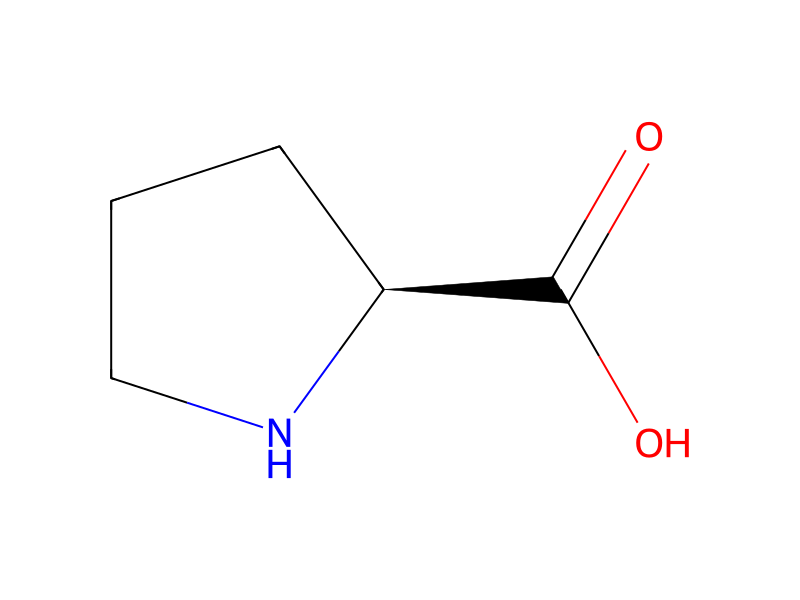
[CH:1]([C:4]1[CH:12]=[CH:11][C:10]2[NH:9][C:8]3[CH2:13][CH2:14][N:15]([CH3:17])[CH2:16][C:7]=3[C:6]=2[CH:5]=1)([CH3:3])[CH3:2].N1CCC[C@H]1C(O)=O.P([O-])([O-])([O-])=O.[K+].[K+].[K+].Br[CH:35]=[C:36]([C:38]1[CH:43]=[CH:42][N:41]=[CH:40][CH:39]=1)[CH3:37]>CN(C=O)C.[Cu]I>[CH:1]([C:4]1[CH:12]=[CH:11][C:10]2[N:9](/[CH:35]=[C:36](/[C:38]3[CH:43]=[CH:42][N:41]=[CH:40][CH:39]=3)\[CH3:37])[C:8]3[CH2:13][CH2:14][N:15]([CH3:17])[CH2:16][C:7]=3[C:6]=2[CH:5]=1)([CH3:3])[CH3:2]8-Isopropyl-2-methyl-2,3,4,5-tetrahydro-1H-pyrido[4,3-b]indole (150 mg, 0.65 mmol) was dissolved in DMF. Copper (I) iodide (14 mg, 0.074 mmol), L-proline (17 mg, 0.015 mmol) and potassium phosphate (340 mg, 1.48 mmol) were added and the reaction mixture was stirred for 10 min. at RT. 4-(1-Bromoprop-1-en-2-yl)pyridine (220 mg, 0.9 mmol) was added dropwise and the reaction mixture was purged with nitrogen. The reaction mixture was heated overnight at 85° C. (prolonged heating in some cases was required). DMF was evaporated under reduced pressure, the residue was diluted with water and the solid was filtered. The solid material was purified by silica gel chromatography (100-200 mesh). The product was further purified by HPLC. 1H NMR (CD3OD, TFA salt) δ (ppm): 8.80 (d, 2H), 8.20 (d, 2H), 7.70 (s, 1H), 7.40 (s, 1H), 7.20 (m, 2H), 4.40 (m, 1H), 3.90 (m, 1H), 3.70 (m, 1H), 3.22 (m, 3H), 3.15 (s, 3H), 3.0 (m, 1H), 2.10 (s, 3H), 1.30 (d, 6H).