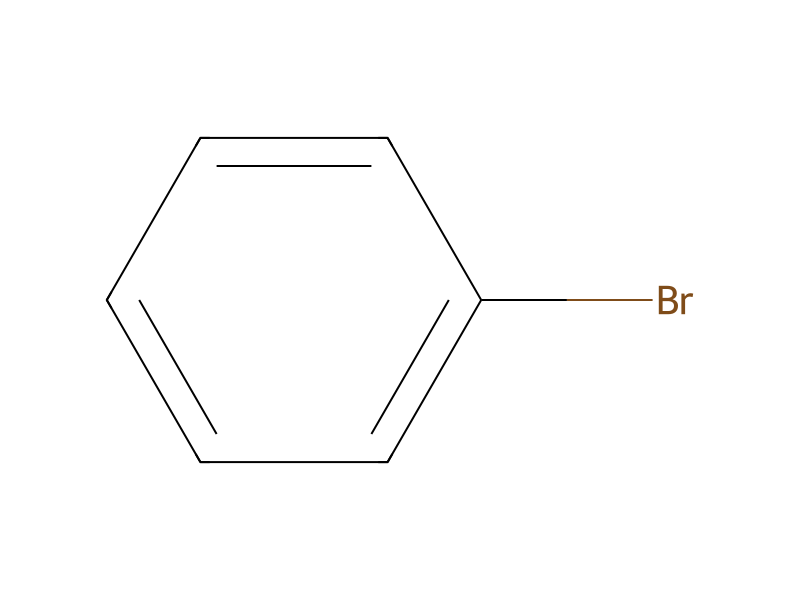
A mixture of 1-9b (80 mg, 0.32 mmol), bromobenzene (100 mg, 0.64 mmol), K2CO3 (110 mg, 0.8 mmol) and CuI (152 mg, 0.8 mmol) in 10 mL of dioxane was stirred at reflux overnight. After cooled to room temperature, the volatiles were evaporated under vacuum and the resulting residue was partitioned between water (10 mL) and ethyl acetate (10 mL). The organic layer was separated and the aqueous layer was extracted with ethyl acetate (3×15 mL). The organic layers were combined, washed with brine (2×30 mL), dried over MgSO4 and evaporated. The resulting brown residue was purified by preparative HPLC (acid condition, water/CH3CN, 25-30% CH3CN in 7.5 min, RT=6.5 min) to give 32-2 (3 mg, 3%) as a white solid. 1H-NMR (400 MHz, MeOD-d6): δ (ppm) 7.34 (t, J=8.0 Hz, 2H), 7.13-7.09 (m, 2H), 7.02 (d, J=8.0 Hz, 2H), 6.85 (d, J=11.2 Hz, 1H), 6.10 (d, J=11.2 Hz 1H), 4.05 (q, 2H), 3.33-3.28 (m, 2H), 3.11-3.07 (m, 2H), 2.74 (s, 6H), 1.33 (t, J=7.2 Hz, 3H). LRMS: calc 326.2 and found: 327.1 [M+1].