Tert-butyl 2-({1-[4-(5-cyanopyridin-2-yl)phenyl]cyclopropyl}carbonyl)hydrazinecarboxylate → 1-[4-(5-Cyanopyridin-2-yl)phenyl]cyclopropanecarbohydrazide
HRID 1424091
Reaktionsgleichung

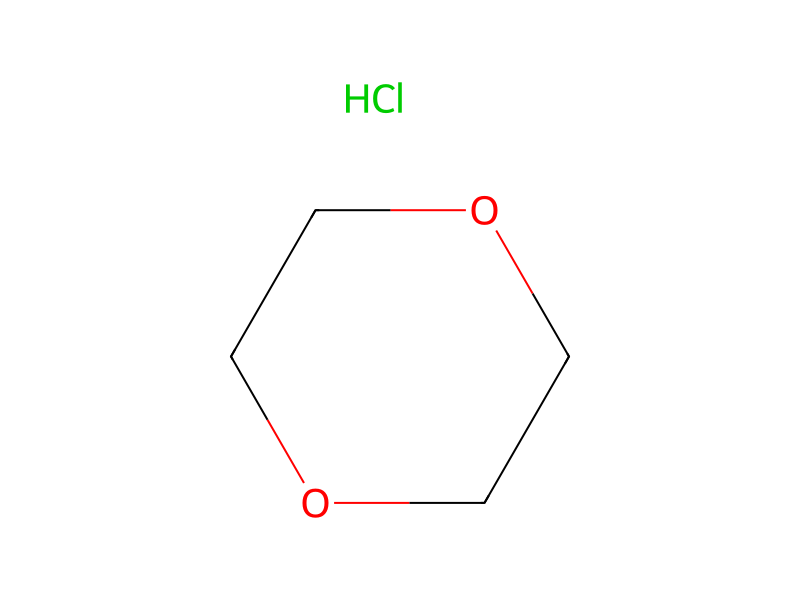
[C:1]([C:3]1[CH:4]=[CH:5][C:6]([C:9]2[CH:14]=[CH:13][C:12]([C:15]3([C:18]([NH:20][NH:21]C(OC(C)(C)C)=O)=[O:19])[CH2:17][CH2:16]3)=[CH:11][CH:10]=2)=[N:7][CH:8]=1)#[N:2]>Cl.O1CCOCC1>[C:1]([C:3]1[CH:4]=[CH:5][C:6]([C:9]2[CH:14]=[CH:13][C:12]([C:15]3([C:18]([NH:20][NH2:21])=[O:19])[CH2:17][CH2:16]3)=[CH:11][CH:10]=2)=[N:7][CH:8]=1)#[N:2]Komponenten
3


Versuchsvorschrift
A solution of the compound (72.7 g, 192 mmol) obtained in Example 60-2) in 2 N hydrochloric acid-dioxane (728 mL) was stirred at room temperature for 30 min and further at 50° C. for 30 min. The reaction mixture was cooled to room temperature, the solvent was distilled off under reduced pressure, dichloromethane was added to the residue, and the organic layer was washed with saturated sodium hydrogencarbonate and saturated sodium chloride solution in this order and then dried with anhydrous sodium sulfate. The solvent was distilled off under reduced pressure. The residue was solidified with a mixed solvent (600 mL) of ethyl acetate and hexane (1:5) and collected by filtration. The obtained solid was dried under reduced pressure to obtain the title compound (51.7 g, 97%) as a white solid.