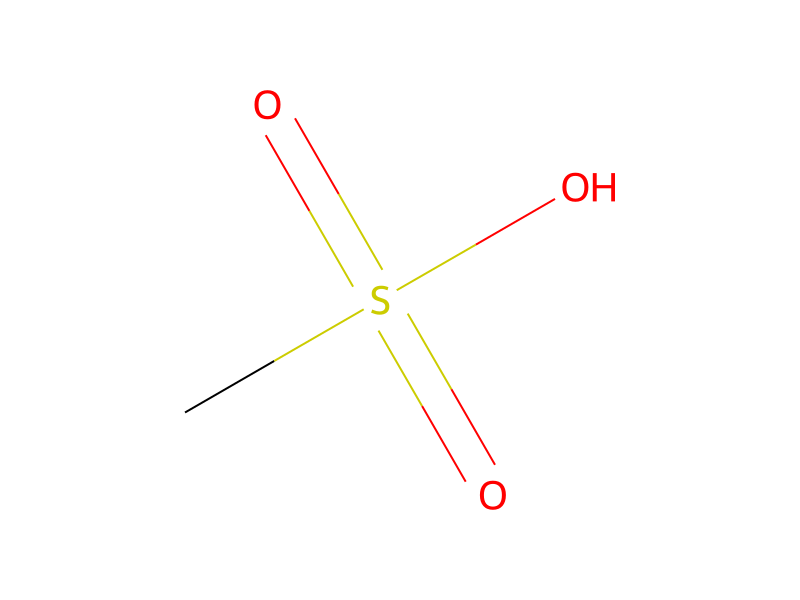
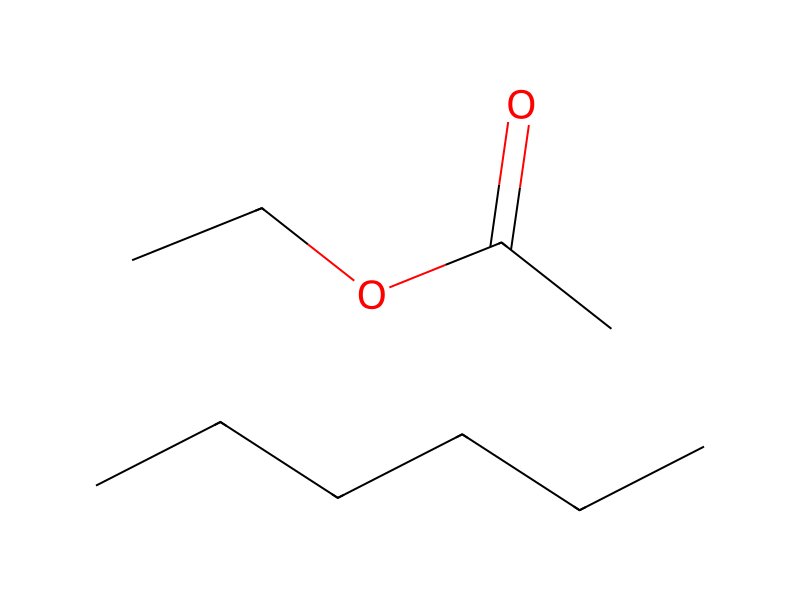
CC1C=C(C)N(C2C=C(C=CC=2)OC2C=CC3C4C(=CC=CC=4)NC=3C=2)N=1.CC1C=C(C)N(C2C=C(C=CC=2)[O:38][C:39]2[CH:51]=[CH:50][C:49]3[C:48]4[C:43](=[CH:44][CH:45]=[CH:46][CH:47]=4)[N:42]([CH:52]4[CH2:57][CH2:56][CH2:55][CH2:54][O:53]4)[C:41]=3[CH:40]=2)N=1.S(O)(C)(=O)=O.C(=O)(O)[O-].[Na+]>CO.CCCCCC.C(OCC)(=O)C>[O:53]1[CH2:54][CH2:55][CH2:56][CH2:57][CH:52]1[N:42]1[C:41]2[CH:40]=[C:39]([OH:38])[CH:51]=[CH:50][C:49]=2[C:48]2[C:43]1=[CH:44][CH:45]=[CH:46][CH:47]=2In another step, 2-[3-(3,5-Dimethylpyrazol-1-yl)-phenoxy]-carbazole was synthesized. To a 50 mL round flask was added with the solution of 2-[3-(3,5-Dimethylpyrazol-1-yl)-phenoxy]-N-(tetrahydropyranyl)carbazole (0.49 g, 1.12 mmol) and MsOH (0.36 mL, 5.6 mmol) in methanol (20 mL), and the mixture was kept at rt for 30 minutes then 50° C. for 1.5 hours. TLC showed that all the protected starting material was transferred, and then trace sodium bicarbonate was added into the system to quench the reaction. The resulting product was directly treated with an flash column using hexane/ethyl acetate=3:1 as eluent to give N-tetrahydropyranyl-2-hydroxycarbazole as a white solid. (0.32 g, 81% yield).