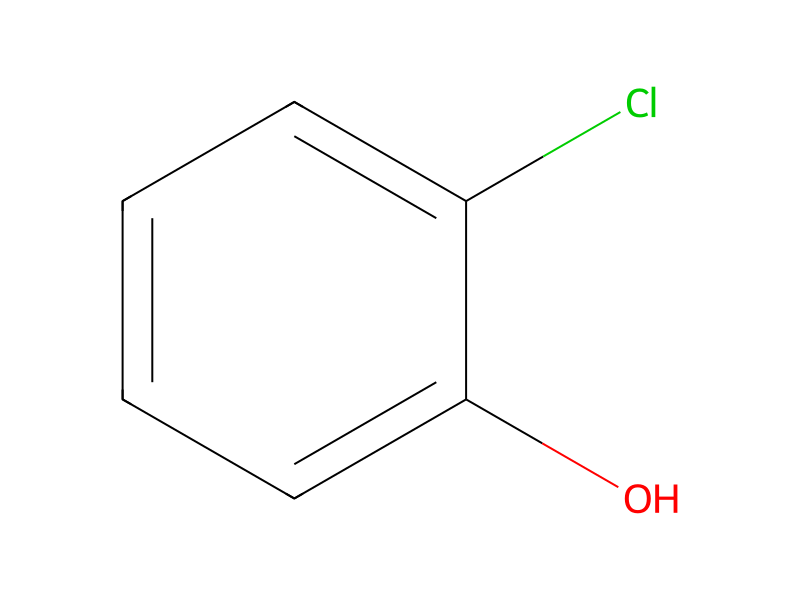
[CH2:1]([O:8][C:9]1[C:10]([N+:16]([O-:18])=[O:17])=[N:11][CH:12]=[C:13](Cl)[CH:14]=1)[C:2]1[CH:7]=[CH:6][CH:5]=[CH:4][CH:3]=1.C(=O)([O-])[O-].[K+].[K+].[Cl:25][C:26]1[CH:31]=[CH:30][CH:29]=[CH:28][C:27]=1[OH:32].CN(C=O)C>C(OCC)(=O)C>[CH2:1]([O:8][C:9]1[C:10]([N+:16]([O-:18])=[O:17])=[N:11][CH:12]=[C:13]([O:32][C:27]2[CH:28]=[CH:29][CH:30]=[CH:31][C:26]=2[Cl:25])[CH:14]=1)[C:2]1[CH:7]=[CH:6][CH:5]=[CH:4][CH:3]=1A mixture of 3-(benzyloxy)-5-chloro-2-nitropyridine (1.00 g, 3.78 mmol), potassium carbonate (2.09 g, 15.1 mmol), 2-chlorophenol (1.46 g, 11.3 mmol) and DMF (16 mL) was heated at 100° C. for 2 hours. The reaction mixture was cooled, partitioned between a 1:1 mixture of ethyl acetate (60 mL) and ether and water (60 mL). The organic layer was washed with 2N NaOH (30 mL), water, and brine, dried, and concentrated. The residue was purified by MPLC (Biotage) eluting with 5:1 hexane:ethyl acetate to afford 3-(benzyloxy)-5-(2-chlorophenoxy)-2-nitropyridine (0.73 g, 54.2% yield) as a light yellow solid. 1H NMR (CDCl3) δ 5.16 (s, 2H), 6.90 (s, 1H), 7.09 (d, 1H), 7.28-7.37 (m, 7H), 7.52 (d, 1H), 7.72 (s, 1H).