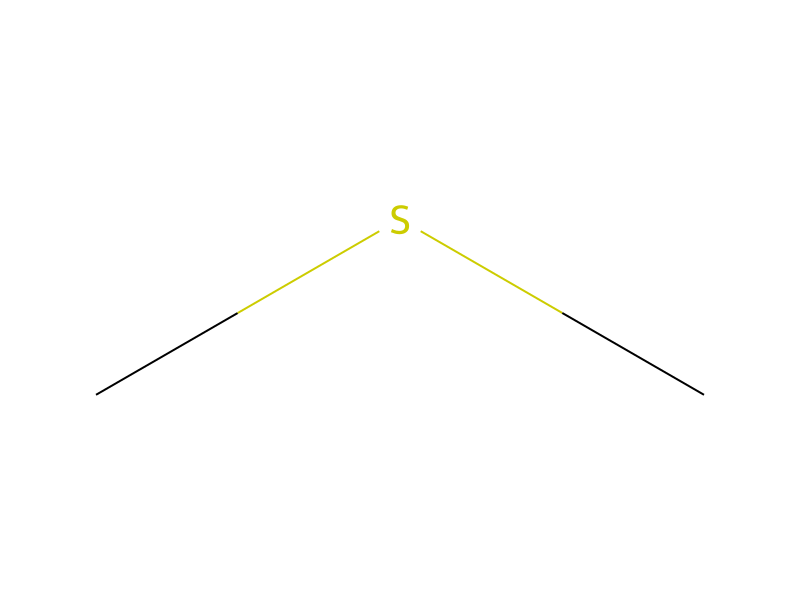
The contents of a 50-ml flask charged with 1-[2-(2,2-dichlorovinyl)-3,3-dimethylcyclopropyl]-3-oxo-2-butyl acetate prepared as in Embodiment VI above (11.9 mmol, 100% (1R,cis) both spatial configurations around C-C(O)CH3 present), chloroform (10 ml) and 3-chloroperbenzoic acid (26 mmol) were stirred magnetically for five hours at 20° C. Then, another quantity of 3-chloroperbenzoic acid (6 mmol) was added and stirring was continued for 16 hours. The reaction mixture obtained was mixed with dimethyl sulphide (2 ml), keeping the temperature at 20° C., stirring was continued for 15 minutes, dichloromethane (30 ml) was added, the suspended material was filtered off, the filtrate was washed with two 20-ml portions of a saturated aqueous solution of sodium hydrogen carbonate and two 20-ml portions of a 10%w aqueous solution of sodium chloride. The washed organic phase was dried over anhydrous magnesium sulphate and the solvent was evaporated (2 kPa) from the dried liquid to leave a residue (2.3 g) containing the desired (100% (1R,cis), yield 63%). The nuclear magnetic resonance spectrum of this product showed the following absorptions (using a solution of this product in deuterochloroform and relative to a tetramethylsilane standard):