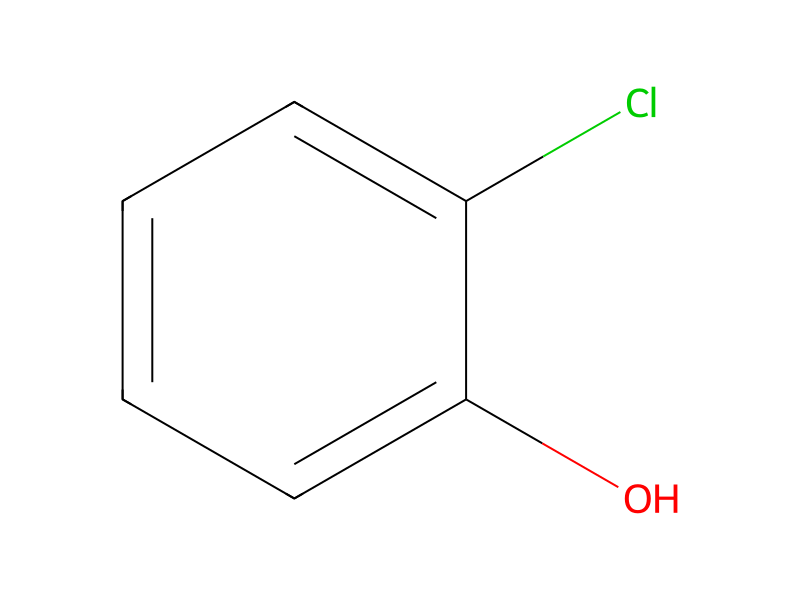
F[C:2]1[CH:3]=[N+:4]([O-:11])[CH:5]=[CH:6][C:7]=1[N+:8]([O-:10])=[O:9].[Cl:12][C:13]1[CH:18]=[CH:17][CH:16]=[CH:15][C:14]=1[OH:19].C(=O)([O-])[O-].[K+].[K+]>CC(C)=O>[Cl:12][C:13]1[CH:18]=[CH:17][CH:16]=[CH:15][C:14]=1[O:19][C:2]1[CH:3]=[N+:4]([O-:11])[CH:5]=[CH:6][C:7]=1[N+:8]([O-:10])=[O:9]A solution of 3.16 g of 3-fluoro-4-nitropyridine N-oxide [Rocz. Chem. 40, 1675 (1966), Chem. Abstr. 69, 59059d (1968)] and 2.58 g of o-chlorophenol in 250 ml of acetone is treated with 5.6 g of anhydrous potassium carbonate. The heterogeneous mixture is stirred vigorously at 25° C. for 16 hours. The mixture is filtered and concentrated at reduced pressure. The product is dissolved in 200 ml of acetonitrile and chromatographed over neutral alumina. The eluate is concentrated at reduced pressure and 3-(o-chlorophenoxy)-4-nitropyridine N-oxide is recrystallized from methanol-diethyl ether; mp 129°-131° C.