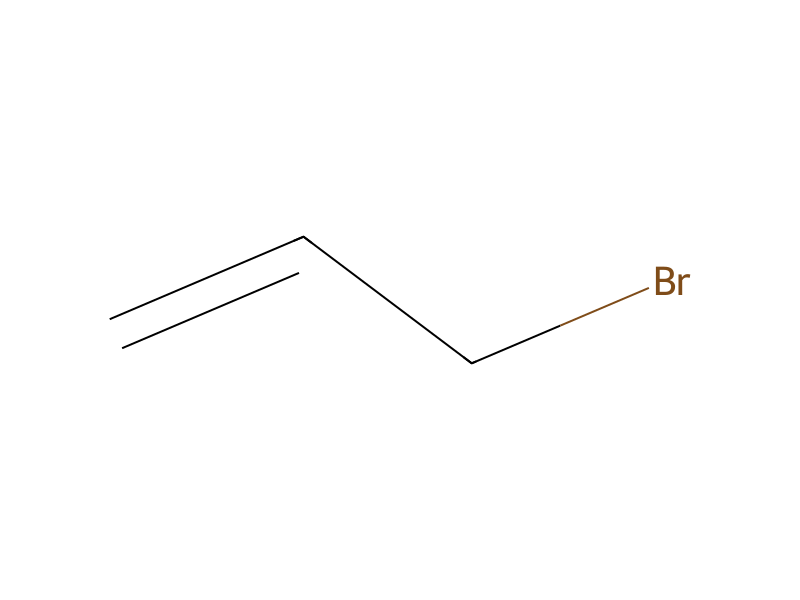
Br[CH2:2][CH:3]=[CH2:4].[CH3:5][O:6][C:7]1[CH:8]=[C:9]([NH:13][C:14]2([C:20]([O:22][CH3:23])=[O:21])[CH2:19][CH2:18][NH:17][CH2:16][CH2:15]2)[CH:10]=[CH:11][CH:12]=1.C(=O)([O-])[O-].[Na+].[Na+].[I-].[K+]>CC(C)CC(=O)C>[CH3:5][O:6][C:7]1[CH:8]=[C:9]([NH:13][C:14]2([C:20]([O:22][CH3:23])=[O:21])[CH2:19][CH2:18][N:17]([CH2:4][CH:3]=[CH2:2])[CH2:16][CH2:15]2)[CH:10]=[CH:11][CH:12]=1A mixture of 2.66 parts of 3-bromo-1-propene, 6.1 parts of methyl 4-[N-(3-methoxyphenyl)amino]-4-piperidinecarboxylate, 3.2 parts of sodium carbonate, 0.1 parts of potassium iodide and 100 parts of 4-methyl-2-pentanone is stirred and refluxed for 10 hours. The reaction mixture is cooled overnight to room temperature and poured onto water. The layers are separated and the organic phase is washed with water, dried, filtered and evaporated. The oily residue is purified by column-chromatography over silica gel using a mixture of trichloromethane and 6% of methanol as eluent. The pure fractions are collected and the eluent is evaporated, yielding methyl 4-[(3-methoxyphenyl)amino]-1-(2-propenyl)-4-piperidinecarboxylate as an oily residue.