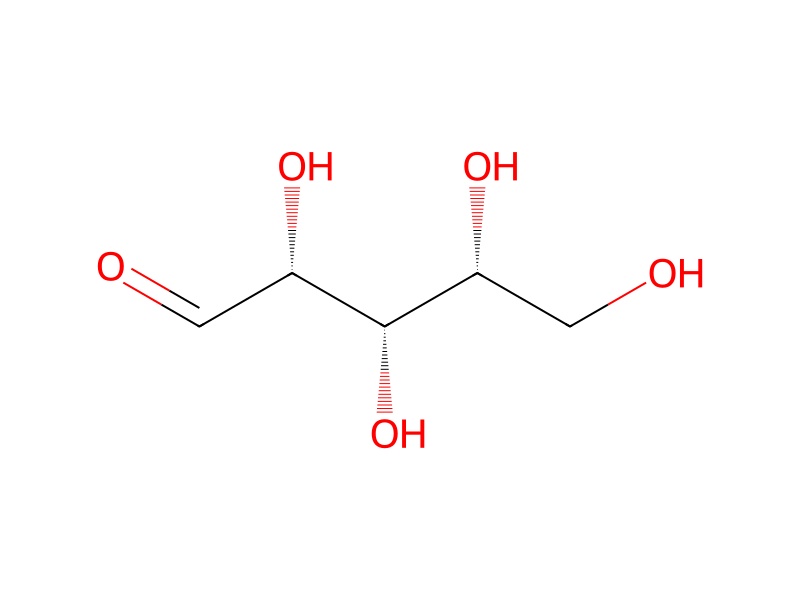
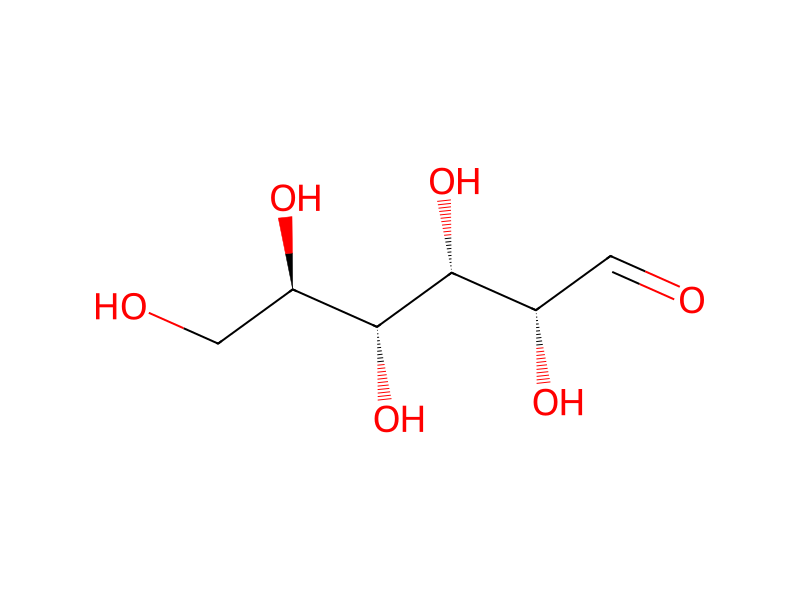
The results presented in FIG. 3 show that in contrast to the control strain containing the shuttle vector alone (206C [pZB186]), the recombinant strain containing the added xylose isomerase, xylulokinase, L-arabinose isomerase, L-ribulokinase, L-ribulose 5-phosphate 4-epimerase, transaldolase and transketolase genes demonstrated growth on and ethanol production from xylose and arabinose, alone or in a combination as a carbon source. The recombinant strain produces ethanol from glucose as efficiently as the control strain at 94% of theoretical yield. The recombinant strain additionally produces ethanol from xylose, or arabinose, or xylose and arabinose at process yields of 91%, 55%, and 79% yield in 96 hours (47 hours for xylose only), respectively. Furthermore, in the presence of glucose and xylose and arabinose, the recombinant strain ferments all three sugars to ethanol at a process yield of 79% yield within 48 hours, thus providing the foundation for advanced process designs with cofermentation of mixed-sugar feedstocks. The recombinant strain produces ethanol from 2% xylose, 2% arabinose, 2% xylose and 2% arabinose, or 1% glucose, 2% xylose and 2% arabinose at 92%, 88%, 94% or 90% of theoretical consumed sugar yield, respectively. The control strain neither grew on nor produced ethanol from xylose, arabinose or xylose and arabinose.