StartseiteMCPWorkbenchSkills
StartseiteWorkbenchBenachrichtigungenMein Bereich
llms.txt · MCP-AnleitungDatenschutz · Nutzungsbedingungen · Supportv1.8.3
  1. Startseite
  2. /Reaktion

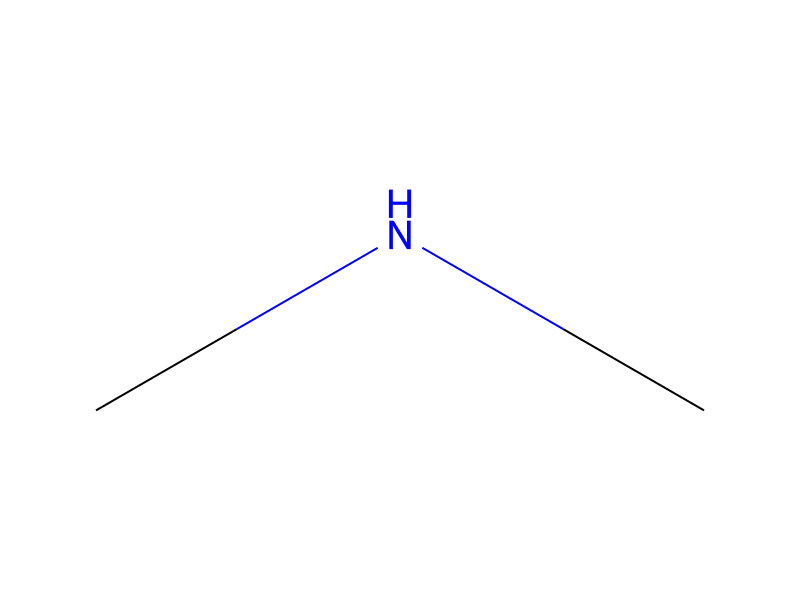
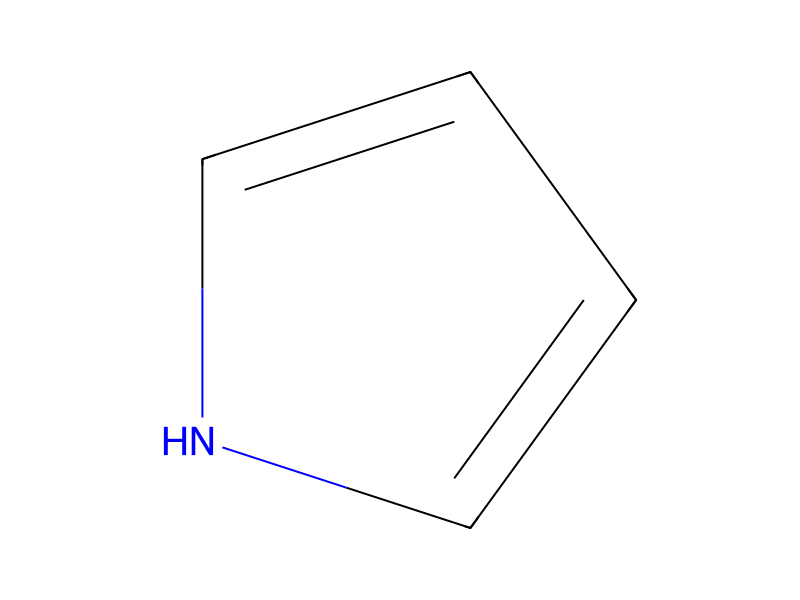
Pyrrole → Dimethylamine

HRID 1457529
Drucken

Reaktionsgleichung

Reaktionsgleichung von HRID 1457529
Cl.NC[C:4]1[NH:8][C:7]([C:9](OC)=[O:10])=[CH:6][CH:5]=1.[NH:13]1[CH:17]=CC=[CH:14]1.C(C1NC(C(OC)=O)=CC=1)=O.CN(C(N(C)C)=C1N=CC=C1)C>>[CH:9]([C:7]1[NH:8][CH:4]=[CH:5][CH:6]=1)=[O:10].[CH3:14][NH:13][CH3:17]
KomponentenVersuchsvorschriftQuellen und NachweiseNotizen zur Reaktion

Komponenten

6

Edukt 4

HCID 8027PyrroleHCID 316531methyl 5-formyl-1H-pyrrole-2-carboxylateHCID 73553778Methyl 5-(aminomethyl)-1H-pyrrole-2-carboxylate hydrochlorideHCID 131720727Bis(dimethylamino)azafulvene

Produkt 2

HCID 674DimethylamineHCID 13854Pyrrole-2-carboxaldehyde

Versuchsvorschrift

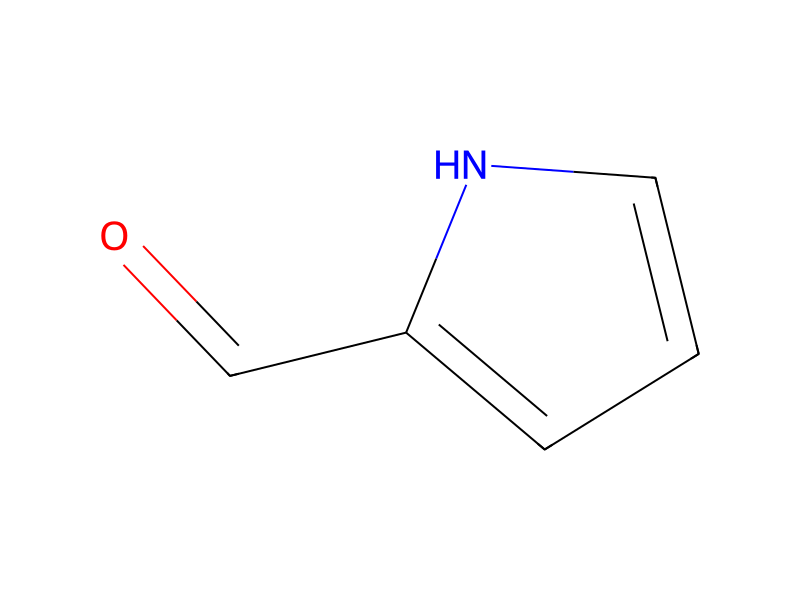
Preparation of methyl 5-(aminomethyl)pyrrole-2-carboxylate hydrochloride (X) can be accomplished by the approach shown in Scheme 11. A three-step conversion of pyrrole into methyl 5-formylpyrrole-2-carboxylate has been described (Org. Syn., Coll Vol. 4, 1963, p831). Alternatively, Muchowski (Tetrahedron Lett., 1988, 29, 777) has described the bis(dimethylamino)azafulvene dimer resulting from treatment of 2-formylpyrrole with dimethylamine. Such species may be lithiated at low temperatures and captured with a variety of electrophiles, including methyl chloroformate, to also give methyl 5-formylpyrrole-2-carboxylate. The aldehyde group is then converted to the oxime under standard conditions and finally reduced by catalytic hydrogenation in the presence of hydrochloric acid to give the target linker (X). ##STR44##

Quellen und Nachweise

ORD-Eintrag
ord-7cb318ad260c424eaf88bdb08fae3a1e
Quelldatensatz
uspto-grants-1998_12
DOI
10.6084/m9.figshare.5104873.v1
Patentnummer
US05849693

Notizen zur Reaktion

Auf dieser SeiteKomponentenVersuchsvorschriftQuellen und NachweiseNotizen zur Reaktion