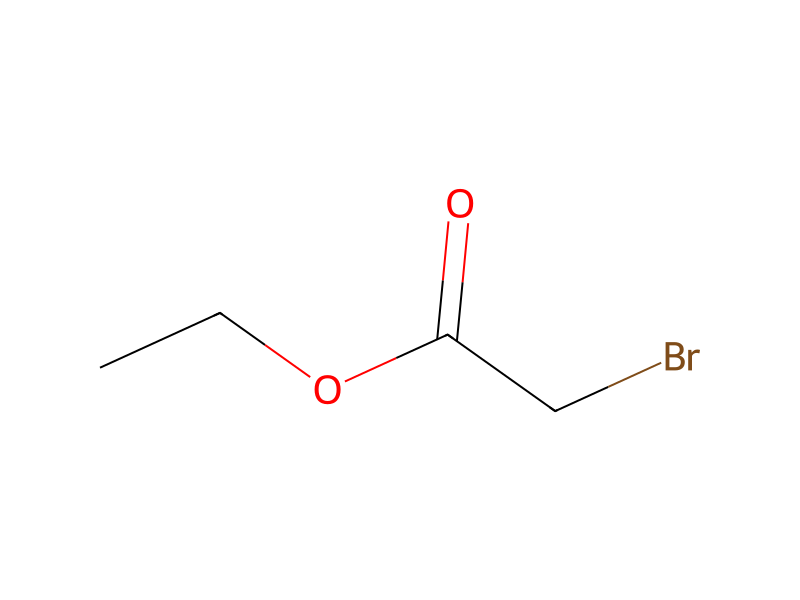
[CH3:1][C:2]1[N:3]([C:8]2[CH:9]=[C:10]3[C:15](=[CH:16][C:17]=2[C:18]([F:21])([F:20])[F:19])[NH:14][C:13](=[O:22])[C:12](=[O:23])[NH:11]3)[C:4]([CH3:7])=[CH:5][CH:6]=1.[H-].[Na+].Br[CH2:27][C:28]([O:30][CH2:31]C)=[O:29].Cl>CN(C)C=O>[CH3:31][O:30][C:28]([CH2:27][N:11]1[C:10]2[C:15](=[CH:16][C:17]([C:18]([F:21])([F:20])[F:19])=[C:8]([N:3]3[C:4]([CH3:7])=[CH:5][CH:6]=[C:2]3[CH3:1])[CH:9]=2)[NH:14][C:13](=[O:22])[C:12]1=[O:23])=[O:29]2.2 g (6.8 mmol) of 6-(2,5-dimethyl-1-pyrrolyl)-7-trifluoromethyl-2,3(1H,4H)-quinoxalinedione (Example 11) were dissolved in 25 ml of anhydrous dimethylformamide under nitrogen and 0.245 g (8.2 mmol) of 80% sodium hydride was added a little at a time. The mixture was stirred at room temperature for 1 hour and then the solution was cooled to -25° C., and 1.4 g (8.9 mmol) of ethyl bromoacetate dissolved in 3 ml of dimethylformamide were added dropwise. The mixture was stirred for 90 minutes and then poured onto ice, acidified with dilute hydrochloric acid and extracted with ethyl acetate. The organic phase was dried and evaporated in a rotary evaporator. The residue was purified by chromatography on silica gel (mobile phase: n-heptane/ethyl acetate=2/1), resulting in 0.8 g (30%) of the product.