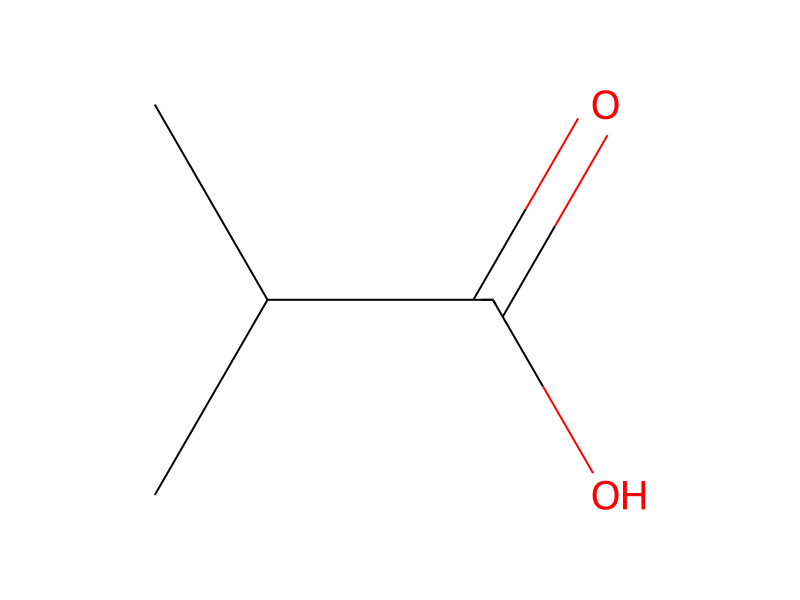
[NH:1]1[C:9]2[C:4](=[CH:5][C:6]([NH2:10])=[CH:7][CH:8]=2)[CH:3]=[CH:2]1.Cl.C(N=C=NCCCN(C)C)C.ON1C2C=CC=CC=2N=N1.C(N(CC)CC)C.[C:40](O)(=[O:44])[CH:41]([CH3:43])[CH3:42]>CN(C=O)C>[NH:1]1[C:9]2[C:4](=[CH:5][C:6]([NH:10][C:40](=[O:44])[CH:41]([CH3:43])[CH3:42])=[CH:7][CH:8]=2)[CH:3]=[CH:2]1To a stirred solution of 5-Indole amine (0.5 g, 3.78 mmol), 1-ethyl-3(3-dimethylaminopropyl)carbodiimidehydrochloride (1.45 g, 7.56 mmol), 1-hyroxybenzotriazole (0.578 g, 3.78 mmol) in anhydrous DMF (25 mL), triethylamine (1.0 mL, 7.5 mmol) and isobutyric acid (0.31 mL, 3.4 mmol) were added and stirred at room temperature for 12 h. The reaction was quenched with water and the mixture was extracted with ethyl acetate. The organic layer was concentrated in vacuo and the resultant residue was purified by flash column chromatography to give N-(1H-indol-5-yl)isobutyramide (0.596 g, 77.8%); MS: 203.1 (M+1)