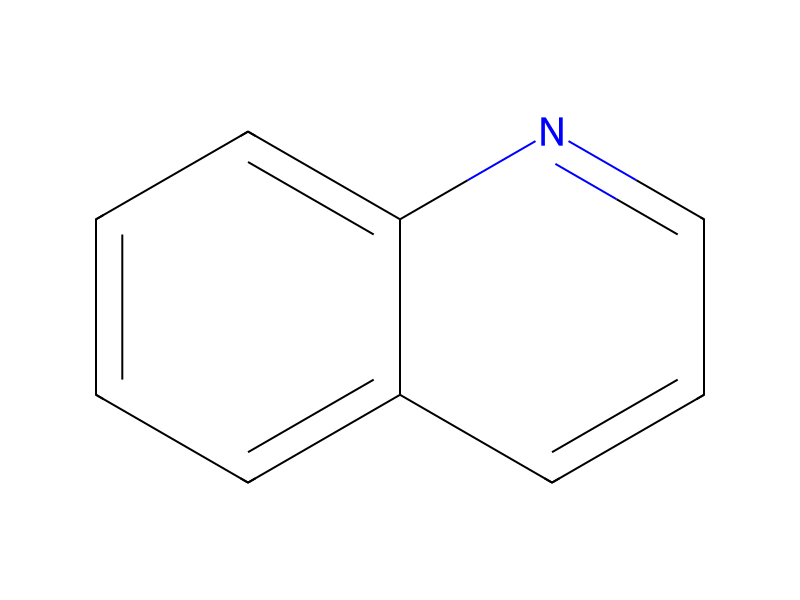
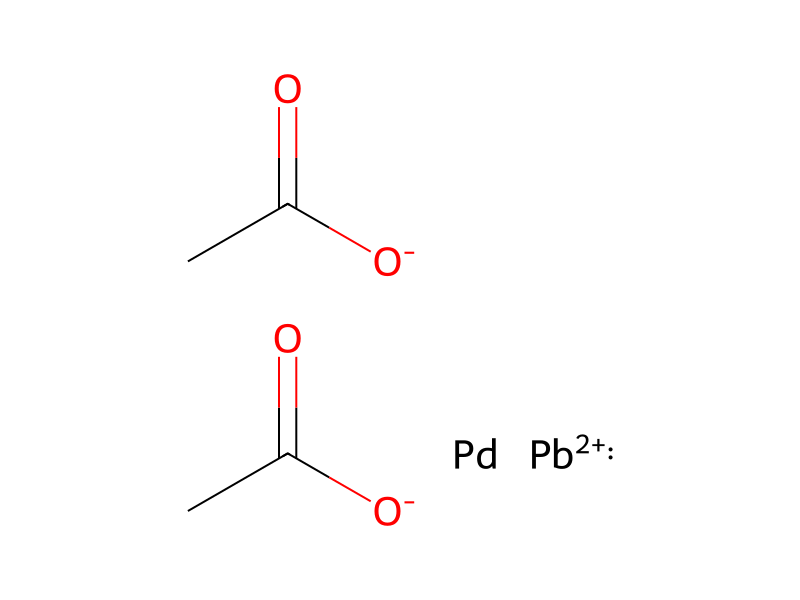
[OH:1][CH2:2][C:3]#[C:4][CH:5]1[CH2:10][CH2:9][N:8]([C:11]([O:13][C:14]([CH3:17])([CH3:16])[CH3:15])=[O:12])[CH2:7][CH2:6]1.N1C2C(=CC=CC=2)C=CC=1>CCOC(C)=O.[Pd].CC([O-])=O.CC([O-])=O.[Pb+2]>[OH:1][CH2:2]/[CH:3]=[CH:4]\[CH:5]1[CH2:10][CH2:9][N:8]([C:11]([O:13][C:14]([CH3:17])([CH3:16])[CH3:15])=[O:12])[CH2:7][CH2:6]1The alkyne from step B (6.5 g, 27.2 mmol) and quinoline (0.55 mL, 4.62 mmol) were dissolved in EtOAc (120 mL). Lindlar's catalyst (740 mg) was added and the reaction was stirred under hydrogen atmosphere (1 atm) for 40 minutes. The reaction was filtered and concentrated to yield a crude residue which was purified by silica gel chromatography (gradient elution, 0% to 100% EtOAc in hexanes) to yield the desired allylic alcohol. 1H NMR (500 MHz, CDCl3) δ 5.58 (m, 1H), 5.37 (dd, J 10.8 & 9.6 Hz, 1H), 4.22 (d, 2H), 4.16-3.99 (m, 2H), 2.80-2.78 (m, 2H), 2.52-2.40 (m, 1H), 1.61-1.56 (m, 2H), 1.45 (s, 9H), 1.36-1.22 (m, 2H).