StartseiteMCPSkillsWorkbenchOpenChem
StartseiteWorkbenchBenachrichtigungenMein Bereich
llms.txt · skill.md · MCP-AnleitungDatenschutz · Nutzungsbedingungen · Supportv1.8.5
  1. Startseite
  2. /Reaktion

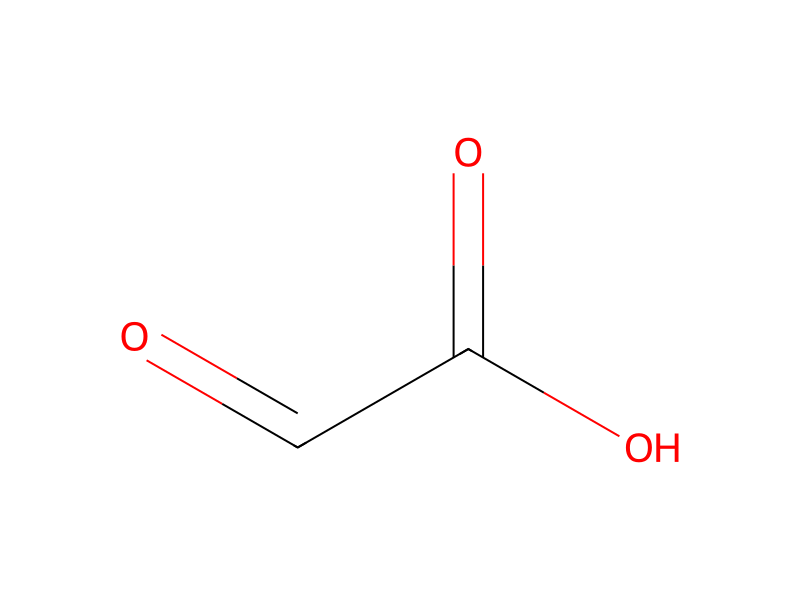
Glyoxylic Acid → 5-bromo-3,4-dihydro-1H-isochromene-1-carboxylic acid

HRID 1474282
Drucken

Reaktionsgleichung

[Br:1][C:2]1[CH:7]=[CH:6][CH:5]=[CH:4][C:3]=1[CH2:8][CH2:9][OH:10].[C:11]([OH:15])(=[O:14])[CH:12]=O>>[Br:1][C:2]1[CH:7]=[CH:6][CH:5]=[C:4]2[C:3]=1[CH2:8][CH2:9][O:10][CH:12]2[C:11]([OH:15])=[O:14]
KomponentenVersuchsvorschriftAufarbeitungQuellen und NachweiseNotizen zur Reaktion

Komponenten

3

Edukt 2

HCID 760Glyoxylic AcidHCID 27340892-(2-Bromophenyl)ethan-1-ol

Produkt 1

HCID 666464675-bromo-3,4-dihydro-1H-isochromene-1-carboxylic acid

Versuchsvorschrift

A solution of 2-(2-bromophenyl)ethanol (40 g, 0.2 mol) and glyoxylic acid (16 g, 0.22 mol) in 100 mL of trifluoacetic acid was refluxed overnight. The solvent was concentrated. Water and ammonium hydroxide was added to the residue to adjust the pH of the solution over 7. The solution was extracted with diethyl ether, and the aqueous layer was adjusted to about 3 with 1M HCl, and then the solution was extracted with ethyl acetate. The organic layer was dried and evaporated. The residue was without purification to give 5-bromo-3,4-dihydro-1H-isochromene-1-carboxylic acid. 1H-NMR (400 MHz, CDCl3) δ 7.52 (d, J=7.6 Hz, 1H), 7.12 (t, J=7.8 Hz, 2 H), 5.33 (s, 1H), 4.27˜4.33 (m, 1H), 3.99˜4.06 (m, 1H), 2.87˜2.89 (m, 2H).

Aufarbeitung

  1. concentrationThe solvent was concentrated
  2. additionWater and ammonium hydroxide was added to the residue
  3. extractionThe solution was extracted with diethyl ether
  4. extractionthe solution was extracted with ethyl acetate
  5. customThe organic layer was dried
  6. customevaporated
  7. customThe residue was without purification

Quellen und Nachweise

ORD-Eintrag
ord-60f04bd936d34a36bf6b1611eeea8589
Quelldatensatz
uspto-grants-2015_04
DOI
10.6084/m9.figshare.5104873.v1
Patentnummer
US09018211B2

Notizen zur Reaktion

Auf dieser SeiteKomponentenVersuchsvorschriftAufarbeitungQuellen und NachweiseNotizen zur Reaktion